
Croatia · Europe
Pula Travel Guide for Independent Travellers
Pula is one of Croatia’s most interesting coastal cities: compact, walkable, and full of Roman heritage, but also practical for a short seaside break. It works well for independent travellers who want a mix of history, harbour views, easy access to beaches, and day trips around southern Istria. This guide focuses on how to plan a trip that fits the city’s pace rather than rushing through the highlights.
Find flights to Pula ↓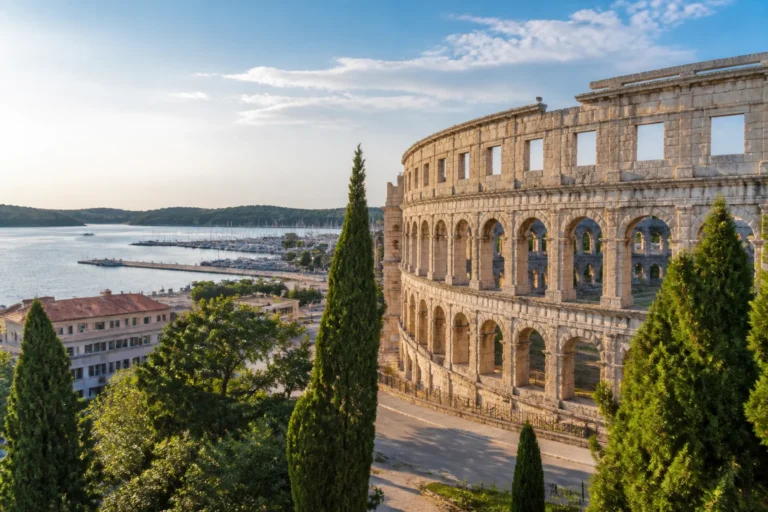 AI illustration
Find flights to Pula
Compare flights · EURAbout Pula
Pula sits at the southern tip of the Istrian peninsula and feels like a place where several versions of the Adriatic meet: Roman ruins, working harbour, summer holiday atmosphere, and an everyday local city. That combination makes it more than a beach base. It is especially appealing if you enjoy wandering on foot, stopping for coffee, and visiting sights that are close together rather than spread out across a large area.
The city’s best-known monument is the Roman amphitheatre, but Pula has a broader story than one landmark. You will find old stone streets, fragments of Roman architecture, Austro-Hungarian harbour buildings, and neighbourhoods that open out towards the coast. It is a good destination for travellers who want culture without the formality of a major museum city.
- Roman history is central to the city’s identity.
- The compact centre makes exploring easy without a car.
- Pula works well as both a city break and a base for nearby beaches.
Things to do in Pula
Start with the amphitheatre, then continue through the old town at a slow pace so the city’s layers have time to stand out. The Temple of Augustus, the Forum, and the Arch of the Sergii are all useful stops if you want a sense of Roman Pula without overplanning your route. The old centre is also pleasant for simple things: sitting in a square, browsing small shops, and photographing details in the stonework and façades.
For a change of pace, head towards the waterfront and the hilltop areas with wider views over the harbour. If you prefer the coast to monuments, Pula offers access to rocky coves, swimming spots, and shaded promenades rather than long sandy beaches. Boat trips and excursions around the Istrian coast can be a good add-on if you want to turn the city stay into a more active Adriatic trip.
Food is part of the experience too. Pula is a sensible place to try Istrian flavours, from seafood to pasta dishes and olive oil-based cooking. Independent travellers often enjoy combining a simple lunch in the centre with an evening walk by the water, which suits the city’s relaxed rhythm.
- Visit the Roman amphitheatre and nearby ancient landmarks.
- Walk the old town for a compact history trail.
- Use Pula as a base for coast and island-style day trips.
- Leave time for waterfront views and unhurried meals.
Best time to visit Pula
Pula is easiest to enjoy when you match your plans to the season. Late spring and early autumn are often the most comfortable times for sightseeing, when temperatures are generally better suited to walking and outdoor meals. These shoulder periods can also feel more manageable if you prefer a city atmosphere without the peak holiday crowd.
Summer is the busiest season, especially for travellers focused on the sea and the longer daylight hours. That can be a good fit if you want beaches, evening life, and a lively waterfront, but it is also the period when accommodation and transport tend to be more in demand. In cooler months, the city becomes quieter and more local in character, which suits travellers who care more about heritage, cafés, and relaxed exploration than swimming.
- Late spring and early autumn suit sightseeing best.
- Summer is the liveliest time for beaches and waterfront evenings.
- Off-season travel can be calmer and more local in feel.
How long to stay in Pula
A short stay of two to three days is enough to cover the essential sights and get a feel for the city. That gives you time for the amphitheatre, a walk through the old town, and at least one coastal pause without turning the trip into a checklist. If you are only passing through Istria, Pula can work as a quick, well-organised stop.
If you have four to five days, the city becomes more rewarding because you can slow down and add at least one or two excursions. That may mean a beach day, a harbour walk, or a trip to a nearby town or protected coastal area. Longer stays are best for travellers who like to combine culture, swimming, and food-focused exploring at an unhurried pace.
- 2–3 days covers the main city highlights.
- 4–5 days allows time for beaches and excursions.
- A longer stay suits travellers using Pula as an Istrian base.
Airports and transport
Pula is served by Pula Airport, which is convenient for reaching the city and the wider southern Istria area. From the airport, travellers typically rely on taxis, pre-booked transfers, rental cars, or any shuttle and public transport options that may be operating at the time. Because services can vary by season, it is worth checking with the airport and official transport providers before you travel.
In the city itself, the centre is compact enough to explore on foot, which is one of the main advantages of visiting. For trips beyond the centre, local buses, taxis, and rental cars are the most practical options, depending on where you are staying and how much of the surrounding coast you want to see. If you plan to move around Istria regularly, a car can make day trips simpler; if not, staying central usually reduces the need for one.
- Pula Airport is the main arrival point for the city.
- Walking is the easiest way to explore the centre.
- A car is useful if you want flexible day trips around Istria.
Where to stay in Pula
For first-time visitors, staying near the old town or the waterfront is often the most convenient choice. You will be within easy reach of major sights, restaurants, and evening strolls, which is especially useful if you are travelling without a car. This area suits short city breaks where you want to do most things on foot.
If your priority is the sea, look for accommodation closer to the coast or in neighbourhoods that give easier access to swimming spots and promenades. Travellers with a car may also consider staying slightly outside the centre, where parking can be simpler and the atmosphere more residential. Families and longer-stay visitors often prefer this balance, while couples on a short break may prefer the convenience of the centre.
- Old town stays are best for sightseeing and walkability.
- Coastal areas suit travellers prioritising swimming and sea views.
- A car gives more flexibility if you stay outside the centre.
Practical tips for Pula
Pula is a destination where comfort comes from keeping plans flexible. The centre is straightforward, but it helps to wear shoes suitable for cobbled streets and uneven surfaces, especially if you plan to explore Roman remains or walk between viewpoints. If you are visiting in warmer months, shade and water matter more than distance, because sightseeing is often done outdoors.
It is also worth balancing your time between monuments and everyday neighbourhood life. Pula is best when you leave space for a slower lunch, a café stop, or an unplanned detour to the coast. For transport, events, and opening times, check official sources close to your travel date rather than relying on assumptions, especially in shoulder season when timetables and service frequency can change.
- Wear comfortable shoes for stone streets and historic sites.
- Plan for a mix of sightseeing and downtime.
- Check official transport and venue information before you go.
Frequently asked questions about Pula
Is Pula good for a city break?
Yes. Pula is a strong choice for a short city break if you like compact destinations with history, a coastal setting, and enough variety to fill two or three days without feeling rushed.
Do I need a car in Pula?
Not necessarily. You can explore the centre on foot, but a car can be helpful if you want to visit more beaches, rural parts of Istria, or several places in one trip.
What is Pula best known for?
Pula is best known for its Roman amphitheatre, but many travellers also enjoy its harbour, old town, and easy access to the Adriatic coast.
Can I combine Pula with nearby places?
Yes. Pula works well as a base for exploring other parts of southern Istria, whether you are interested in coastal scenery, small towns, or beach days.
Is Pula more about culture or beaches?
It offers both, but the balance depends on your plan. The city centre is rich in history, while the coastline makes it easy to add swimming and relaxed seaside time.
Travel information can change. Check official transport operators and attraction websites before booking.
Editorial review: 23 Oct 2026
More destinations to explore
 AI illustration
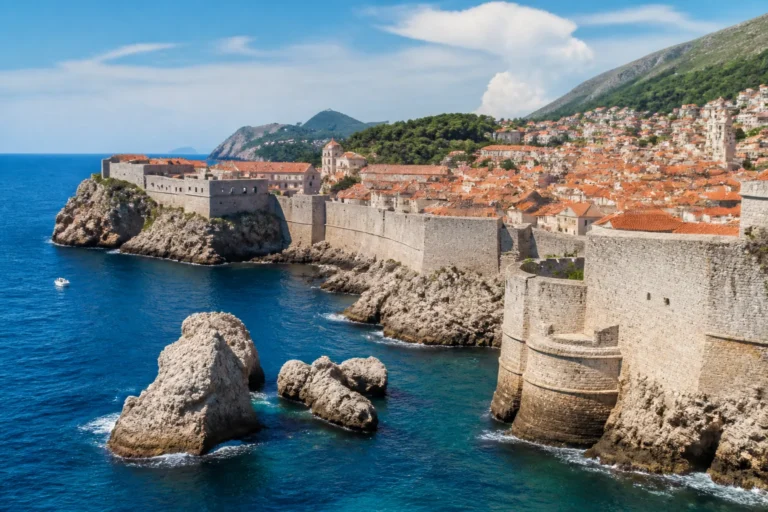
Dubrovnik
Dubrovnik is one of the Adriatic’s most distinctive city breaks, with limestone streets, sea views and a compact old…
Explore destination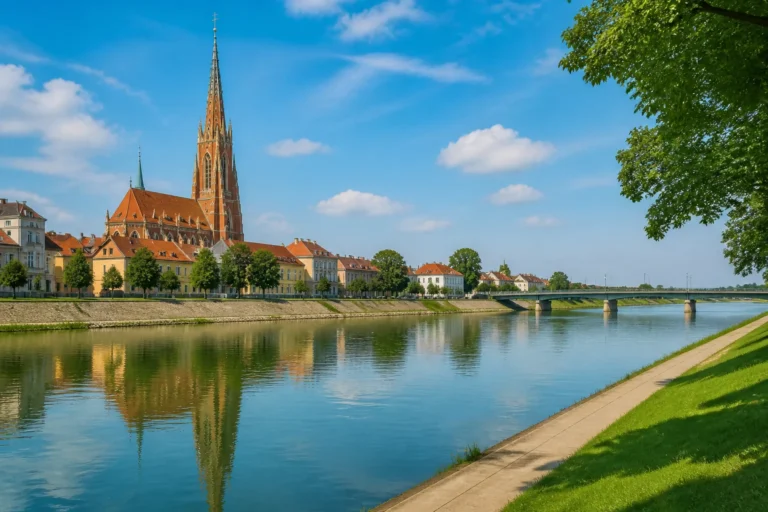 AI illustration
Osijek
Osijek offers a quieter city break in eastern Croatia, with a walkable centre, riverside paths and the Baroque streets…
Explore destination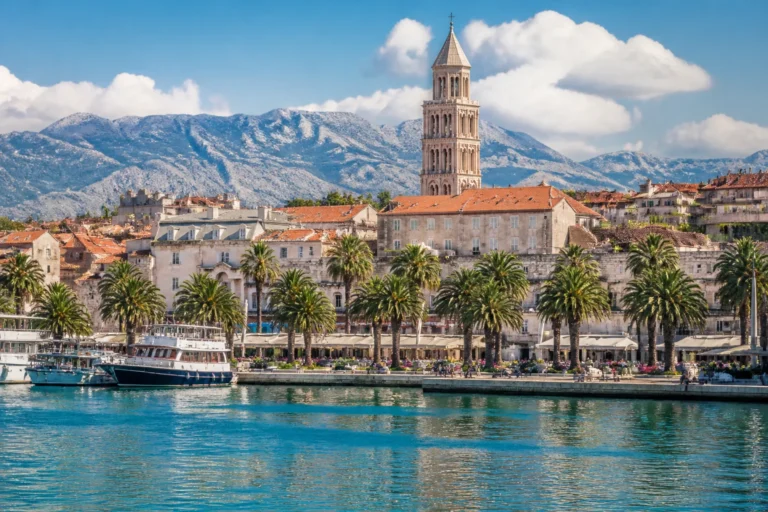 AI illustration
Split
Split combines a lively Adriatic waterfront with a historic centre built around the remains of Diocletian’s Palace. Its ferry…
Explore destination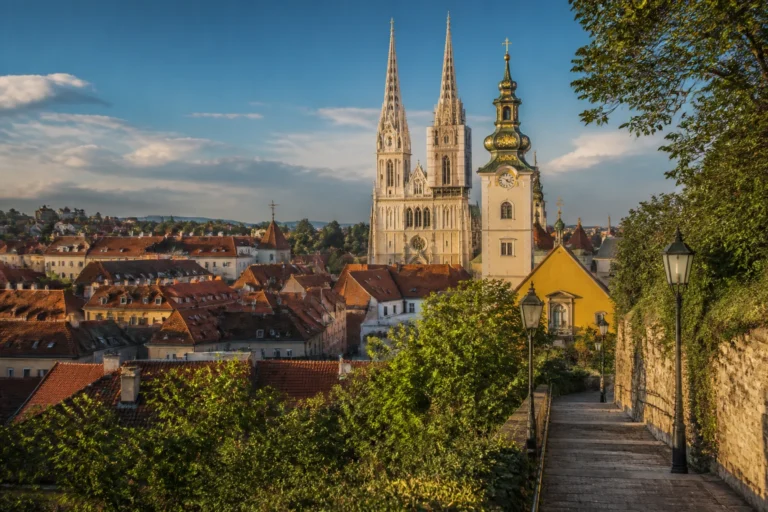 AI illustration
Zagreb
Zagreb is Croatia’s compact capital, combining a walkable historic centre, lively cafés, museums, markets and a growing food scene.…
Explore destination