
Albania · Europe
Tirana Travel Guide for European Independent Travellers
Tirana is a compact, energetic capital with a very different feel from many European city breaks. It mixes Ottoman-era traces, Italian and communist-era architecture, a lively café culture and easy access to mountains, lakes and the Adriatic coast. For independent travellers, it works well as both a city destination and a practical base for exploring central Albania, with walkable neighbourhoods, good day-trip options and a food scene that rewards curiosity.
Find flights to Tirana ↓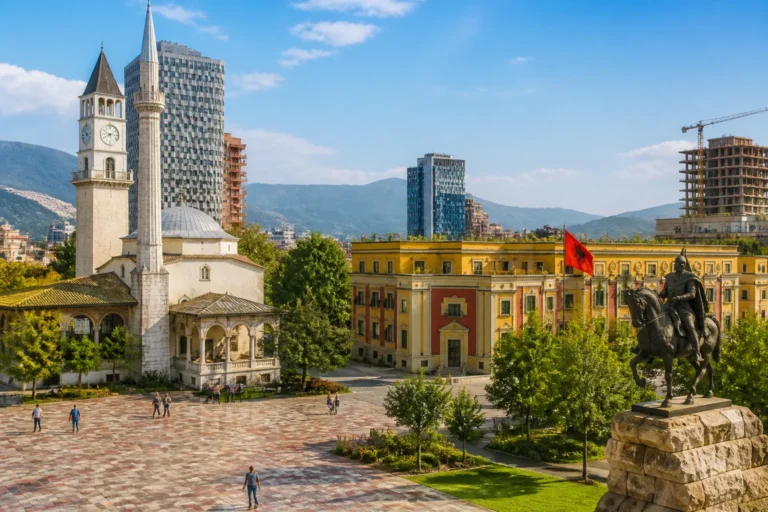 AI illustration
Find flights to Tirana
Compare flights · EURAbout Tirana
Tirana is Albania’s capital and by far its most varied urban destination. The city centre is easy to navigate on foot, especially around Skanderbeg Square, while larger avenues, modern apartments and residential districts spread outward in all directions. Visitors often notice how quickly the atmosphere changes from formal government buildings to cafés, markets and street life.
It is a good place to get a first impression of Albania without needing a complex travel plan. Museums, public squares, parks and religious landmarks are concentrated in a relatively small area, and the city is also a practical starting point for trips to Durrës, Krujë, Berat or the nearby mountains. English is commonly understood in tourist-facing places, but a few Albanian phrases are appreciated.
- Compact centre with a mix of architectural layers
- Strong café and restaurant culture
- Useful base for day trips around central Albania
Things to do in Tirana
Skanderbeg Square is the natural starting point for a first visit, with several important sights within a short walk. Around it, you can visit the National History Museum, the Et’hem Bey Mosque, the Clock Tower and the Opera building, then continue through pedestrian streets and shaded public spaces. The area gives a good overview of the city’s history and its recent transformation.
For a broader sense of Tirana, head to Blloku, once a closed-off neighbourhood and now one of the city’s liveliest districts for cafés, dinner and nightlife. Another worthwhile stop is the Bunk’Art museums, which interpret Albania’s communist past in a striking setting. If you want a quieter break, Grand Park and the artificial lake offer an easy green escape without leaving the city.
Tirana also rewards travellers who like everyday city life: market stalls, espresso bars, bakeries and informal neighbourhood walks can be just as satisfying as the main landmarks. If time allows, combine urban sightseeing with a cable car ride to Mount Dajti or a short excursion to nearby historic towns and coastal stretches.
- Skanderbeg Square and the main central landmarks
- Blloku for cafés, bars and restaurants
- Bunk’Art museums for modern history
- Grand Park and the lake for a calmer walk
- Mount Dajti for city views and a change of scenery
Best time to visit Tirana
Tirana can be visited year-round, but spring and autumn are usually the most comfortable times for walking, sightseeing and day trips. In these seasons, you are more likely to enjoy outdoor cafés, parks and neighbourhood exploration without the heat that can make city walking tiring in midsummer.
Summer can feel busy and warm, especially in the afternoon, though it may suit travellers planning to combine the capital with the coast. Winter is generally quieter and can be a good time for a city-focused break, but daylight is shorter and some visitors may prefer to spend more time indoors in museums, cafés and restaurants. If you are planning to visit during public holidays or festival periods, check opening hours in advance with the venues or local organisers.
- Spring and autumn are the most comfortable for walking
- Summer suits combinations with coastal trips
- Winter is quieter for museums and cafés
How long to stay in Tirana
One full day is enough for a quick first look at the centre, but it can feel rushed if you want to include museums, a relaxed meal and a neighbourhood such as Blloku. Two days is a better fit for most independent travellers, giving you time to see the main sights and spend part of the trip enjoying the city rather than simply passing through it.
With three days or more, Tirana becomes a flexible base. You can add a cable car ride, a museum visit that needs more time, a park walk or a day trip to nearby destinations. If you are building a wider Albania itinerary, Tirana often works well at the start or end of the trip because it is the main transport hub and easier to plan around than smaller towns.
- 1 day for a fast overview
- 2 days for a balanced city break
- 3 days or more for day trips and slower travel
Airports and transport in Tirana
Tirana International Airport Nënë Tereza is the main gateway to the city and to Albania. From the airport, travellers usually continue by taxi, airport shuttle or pre-arranged transfer, depending on their route and comfort level. For the most current options, it is best to check official airport and operator information before you travel.
Within the city, taxis and ride-hailing-style services may be useful for cross-town journeys, while central areas are walkable once you are in the core neighbourhoods. Local buses connect different parts of Tirana, but routes and stops can be less intuitive for first-time visitors, so allow extra time and confirm details locally. If you plan to explore beyond the capital, intercity buses and minibuses are common, though schedules can change and are best confirmed at the station or with the operator.
Driving is possible, but many short-stay visitors do not need a car in the centre. If you do rent one for day trips, be prepared for mixed driving conditions, parking limitations and busy traffic at peak times.
- Main airport: Tirana International Airport Nënë Tereza
- Centre is walkable for most sightseeing
- Taxis and shuttles are often the simplest airport links
- Check official operators for current routes and schedules
Where to stay in Tirana
For a first visit, staying near Skanderbeg Square or in the streets just around it is the most convenient option. You will be close to major sights, transport connections and a range of cafés and restaurants, which makes short stays easier to manage. This area suits travellers who want to walk to the main landmarks and avoid relying on transport after arrival.
Blloku is a strong choice if you want an active evening atmosphere and easy access to dining. It can be a good match for travellers who enjoy staying in a neighbourhood with more energy after dark. For a calmer feel, look just outside the busiest central streets or around the Grand Park area, where the pace is often a little slower while still remaining close to the centre.
Apartment rentals and small hotels are both common in Tirana, so the best choice depends on whether you prefer more space or daily services. As always, check the exact location on a map, since some listings describe themselves as central even when they are a noticeable walk from the main squares.
- Skanderbeg Square for first-time convenience
- Blloku for restaurants and evening life
- Near Grand Park for a quieter atmosphere
Practical tips for Tirana
Tirana is generally straightforward for independent travel, but a little preparation helps. Keep some cash available for smaller purchases, cafés and local transport, while assuming that cards are more likely to be accepted in hotels and larger businesses. If you are using taxis, agree the route or check that the meter is being used where appropriate.
The city is compact, yet traffic can be busy at times, so factor in extra time when moving between districts or heading to the airport. Comfortable shoes make a noticeable difference because you may end up walking more than expected, especially if you combine sightseeing with meals and café stops. For museums, religious sites and cable car access, check current opening hours before you go rather than relying on older guidebook information.
If you plan several day trips, Tirana can be a useful base, but it is worth building some flexibility into your schedule. Transport in Albania can be practical rather than polished, so the more independent and open-ended your planning, the smoother the trip is likely to feel.
- Carry both cash and a card
- Allow extra time for traffic
- Check opening hours locally before setting out
- Wear comfortable shoes for a walkable centre
Frequently asked questions about Tirana
Is Tirana a good city break for first-time visitors to Albania?
Yes. Tirana is one of the easiest places to start because the centre is compact, the main sights are close together and there are plenty of cafés, museums and transport links. It also gives a useful introduction to Albanian history and everyday city life.
Can you explore Tirana mainly on foot?
You can see a lot on foot if you stay in or near the centre. The main square, key museums, Blloku and several parks are walkable, though taxis or buses may be useful for longer cross-city trips or for reaching the airport.
What is the easiest way to get from Tirana Airport to the city?
Most travellers use a taxi, shuttle or pre-booked transfer. The best option depends on your arrival time and accommodation, so it is sensible to check current arrangements with the airport or official transport providers before travelling.
How many days do you need in Tirana?
Two days is a comfortable amount for most visitors. That usually gives you time for the main landmarks, one museum-heavy half-day, a relaxed meal and a neighbourhood walk, with a little space left for a park or viewpoint.
Which area is best for nightlife and restaurants?
Blloku is the best-known area for evening life, with many cafés, bars and restaurants. It is a good base if you want a livelier atmosphere after dark, while the central square area is often better for sightseeing convenience.
Can Tirana work as a base for day trips?
Yes. Many travellers use Tirana as a base for day trips to nearby towns, historic sites or the coast. Exact transport options vary, so it is best to confirm current schedules with operators and plan extra time for the return journey.
Travel information can change. Check official transport operators and attraction websites before booking.
Editorial review: 23 Oct 2026
More destinations to explore
 AI illustration
Adler/Sochi
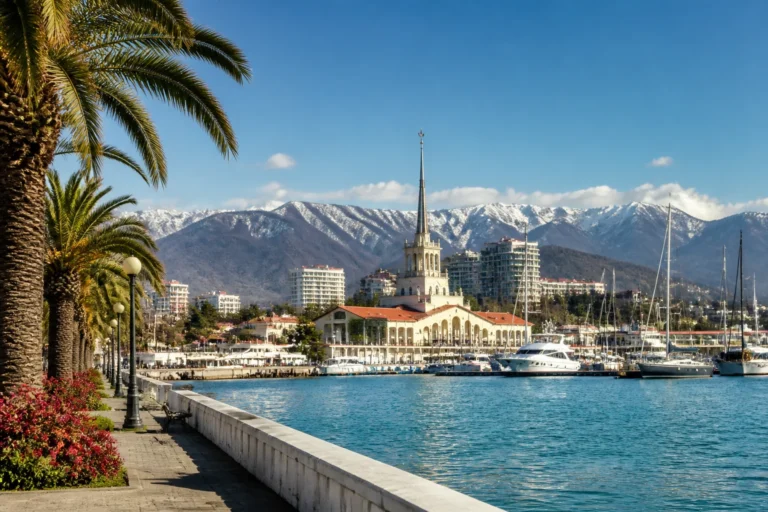
Adler and Sochi stretch along Russia’s Black Sea coast, combining seaside promenades and parks with access to mountain landscapes.…
Explore destination AI illustration
Alghero
Alghero, on the north-west coast of Sardinia, combines a historic centre with easy access to beaches and the coastal…
Explore destination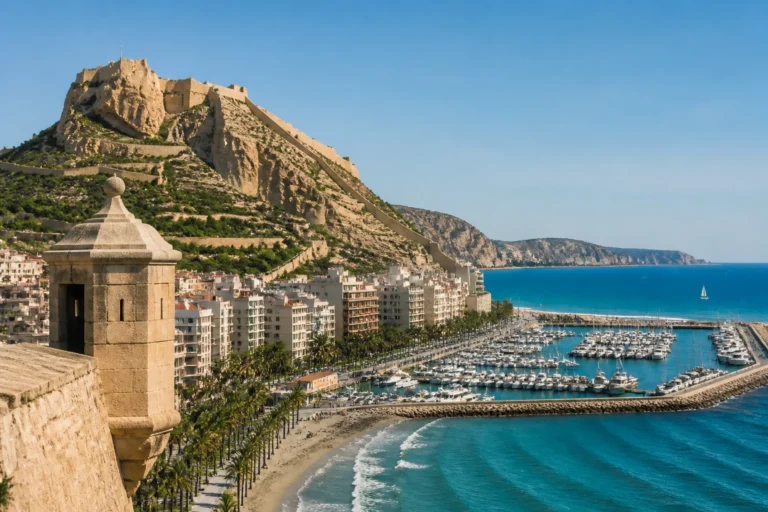 AI illustration
Alicante
Alicante is an easygoing Mediterranean city where a compact old centre, a long waterfront and a busy local food…
Explore destination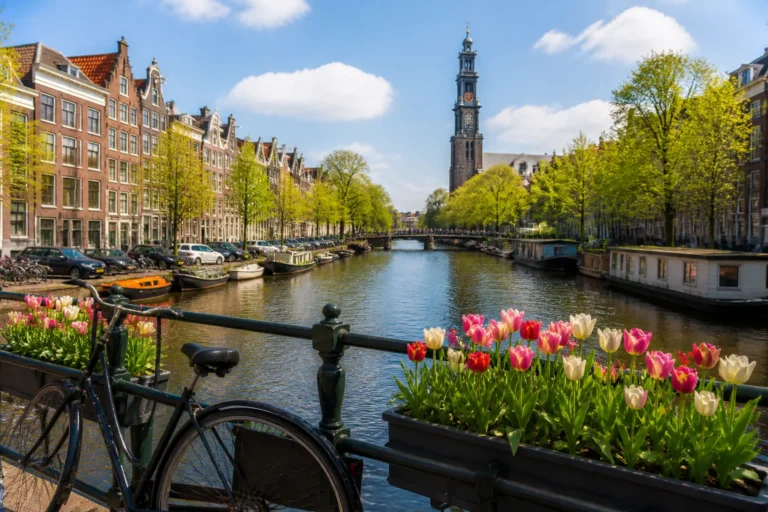 AI illustration
Amsterdam
Amsterdam combines a compact historic centre with a broad mix of museums, neighbourhood cafés and quieter residential streets. Its…
Explore destination