
Malta · Europe
Malta travel guide for independent travellers
Malta packs a lot into a small area: fortified towns, busy harbours, quiet beaches, cliff walks and a long layered history shaped by the Mediterranean. It suits travellers who like mixing culture with easy day trips and short transfers, and it is straightforward to explore without a car if you plan your base well. This guide focuses on the practical choices that matter when you are organising a trip to Malta from Europe.
Find flights to Malta ↓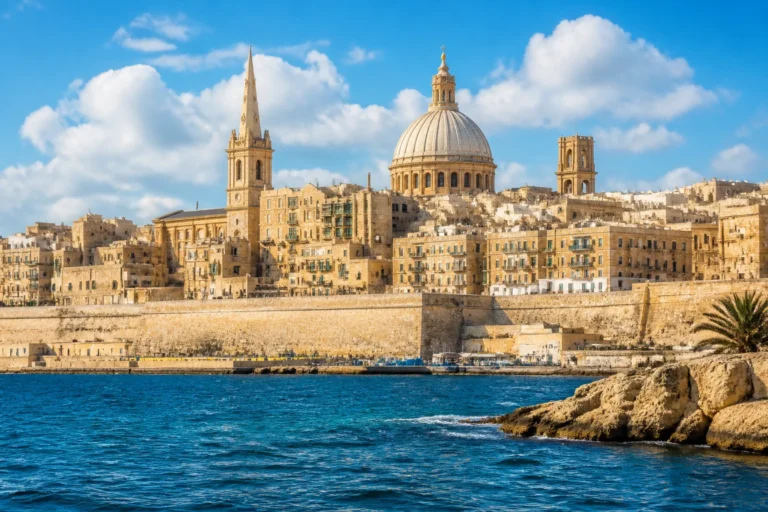 AI illustration
Find flights to Malta
Compare flights · EURAbout Malta
Malta is a compact island nation where the scenery changes quickly: limestone cities, sheltered harbours, village squares, sandy bays and rocky coastlines are all close together. Valletta is the main cultural draw, but Mdina, the Three Cities, Marsaxlokk and the northern beaches help round out the experience. Because distances are short, Malta works well for travellers who prefer a mix of city time and relaxed exploring rather than long overland journeys.
English is widely used in visitor-facing settings, and the island’s history is visible everywhere, from megalithic sites to churches, palaces and military fortifications. That makes Malta appealing to travellers who want more than a beach break, but it also suits people looking for an easy Mediterranean getaway with reliable connections from many European airports.
- Compact destination with short transfer times
- Strong mix of history, coast and urban sightseeing
- Good fit for city breaks and multi-stop itineraries
Things to do in Malta
Start in Valletta, where the compact streets, harbour views and museums make it easy to fill a day or two. From there, many visitors head to the Three Cities across the water for a quieter historic atmosphere, or inland to Mdina for a more atmospheric old-town setting. If you want a sense of local life, try a morning in a market town or fishing village rather than staying only in the most visited areas.
For nature and leisure, Malta’s appeal is more about the coastline than big landscapes. You can walk cliff paths, swim at accessible bays, take boat trips when conditions and schedules suit, or spend a slower day on Gozo if you want a more rural feel. In the evening, Sliema, St Julian’s and parts of Valletta offer a range of restaurants and waterfront promenades, while smaller towns are better for a quieter dinner and a local pace.
- Valletta for museums, architecture and harbour views
- Mdina and the Three Cities for historic atmosphere
- Gozo or coastal walks for a slower pace
- Maltese food, markets and waterfront dining
Best time to visit Malta
Malta is usable year-round, but the experience changes quite a bit by season. Spring and autumn are often the most comfortable times for walking, sightseeing and outdoor dining, with milder temperatures and less pressure on popular spots. Summer brings the liveliest beach atmosphere, longer evenings and more demand for accommodation, but it can also feel intense in the middle of the day.
Winter is calmer and can be a good choice for travellers focused on culture, food and relaxed city time rather than swimming. If you are planning to travel in peak periods or around public holidays, it is sensible to allow extra time for bookings, ferries and popular restaurants, as the island can feel noticeably busier than its size suggests.
- Spring and autumn are usually best for sightseeing
- Summer is the busiest season for beaches and nightlife
- Winter suits culture-focused and quieter trips
How long to stay in Malta
A short break of three to four days is enough for a first impression if you concentrate on Valletta, Mdina and one or two coastal stops. That works well for travellers combining Malta with another European destination or looking for a compact winter sun escape. You can see a good amount without rushing, especially if you use ferries, buses or pre-booked transfers strategically.
For a more rounded trip, five to seven days gives you time to add Gozo, a boat outing, a beach day and some unhurried neighbourhood wandering. Longer stays suit travellers who want to move slowly, repeat favourite spots and avoid packing too many activities into each day. Malta is small, but that can be an advantage if you prefer fewer hotel changes and short journeys.
- 3–4 days for a focused city-and-coast break
- 5–7 days for Malta plus Gozo and slower exploration
- Longer stays work well for relaxed, base-centred travel
Airports and transport in Malta
Most international visitors arrive via Malta International Airport, which is the island’s main gateway. From there, onward travel is usually by taxi, ride-hailing where available, pre-booked transfer or public bus, depending on your budget, luggage and arrival time. If you are staying in Valletta, Sliema, St Julian’s or nearby areas, transfer times are generally manageable, but it is still worth checking your accommodation’s exact location before you book.
Getting around the island is possible without a car, although the pace depends on your itinerary. Buses cover many routes, but they are not always the fastest option for tight schedules. Ferries can be useful for certain harbour crossings, and a rental car gives more flexibility if you want to reach quieter parts of the island or spend time on Gozo. For current transport details, check official operators before you travel, especially if you are arriving late or moving around on a tight schedule.
- Malta International Airport is the main arrival point
- Buses can work well for budget-conscious travellers
- Ferries and taxis help with quicker point-to-point movement
- A car is optional, not essential, for many trips
Where to stay in Malta
Valletta is the best base if you want atmosphere, easy sightseeing and strong access to restaurants, museums and harbour transport. It suits couples, solo travellers and short-break visitors who value walkability more than space. Accommodation can feel characterful, but room layouts may vary in older buildings, so it helps to read descriptions carefully.
Sliema and St Julian’s are practical choices if you want more hotels, seafront walks and transport links, with St Julian’s generally livelier in the evening. Families and travellers who prefer a quieter setting often look at coastal or village areas further from the main nightlife zones. If you want a more traditional feel, consider staying in or near Mdina, the Three Cities or on Gozo, understanding that you may trade convenience for atmosphere and a slower rhythm.
- Valletta for history, walkability and a classic city break
- Sliema and St Julian’s for transport and more accommodation choice
- Gozo or the Three Cities for a quieter, more local feel
Practical tips for Malta
Plan around the sun and the terrain. In warmer months, shade, water and comfortable shoes matter more than you might expect, especially in historic centres with uneven streets and limited tree cover. If you want to visit several places in a day, grouping them by area usually saves time and energy because cross-island transfers, while short, still add up.
It is also worth being selective rather than over-scheduling. Malta rewards slow wandering, breaks for coffee or lunch, and a bit of flexibility when the weather, traffic or crowds change your plans. Book key accommodation early for busy periods, keep an eye on official transport information before day trips, and leave room for a ferry crossing, a swim stop or a relaxed evening by the water.
- Wear comfortable shoes for historic streets and coastal walks
- Group sights by area to reduce transfer time
- Book popular stays early in busy periods
- Leave some flexibility for ferries, beaches and meals
Frequently asked questions about Malta
Is Malta good for a short city break?
Yes. Malta works well for a short break because many of the main sights are close together, especially if you base yourself in Valletta or nearby. You can combine history, food and coastal views without spending much time on long journeys.
Do I need a car in Malta?
Not necessarily. Many travellers use buses, ferries and taxis or transfers, especially for a stay based in Valletta, Sliema or St Julian’s. A car can be helpful if you want more flexibility, quieter beaches or easier access to some parts of Gozo.
What is the best base for first-time visitors?
Valletta is often the most rewarding base for first-time visitors because it is central for sightseeing and has a strong sense of place. If you want more nightlife or a wider choice of hotels, Sliema or St Julian’s may suit you better.
Can I visit Gozo on a day trip?
Yes, many visitors do. A day trip can give you a useful contrast to Malta’s busier central areas, but you will enjoy it more if you keep the plan simple and allow time for the ferry crossing and local transport on arrival.
Is Malta only for beach holidays?
No. Beaches are part of the appeal, but Malta is also strong for architecture, museums, fortifications, village life and harbour scenery. Travellers who like a mix of culture and coast usually find it particularly satisfying.
Travel information can change. Check official transport operators and attraction websites before booking.
Editorial review: 23 Oct 2026
More destinations to explore
 AI illustration
Adler/Sochi
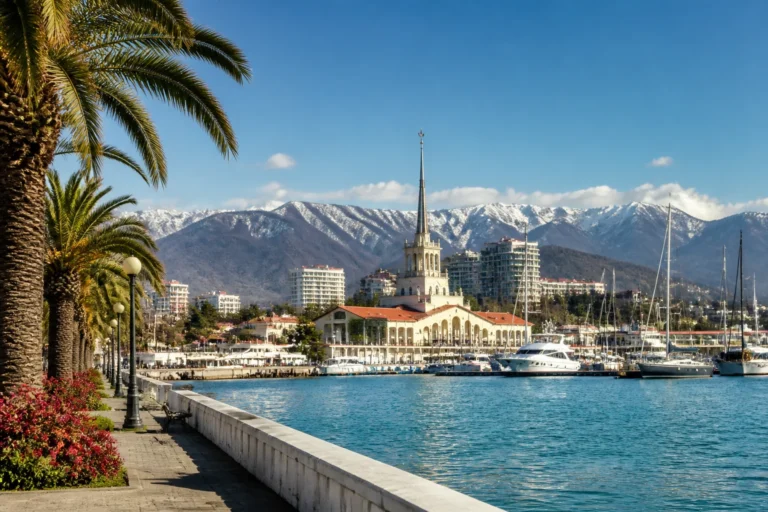
Adler and Sochi stretch along Russia’s Black Sea coast, combining seaside promenades and parks with access to mountain landscapes.…
Explore destination AI illustration
Alghero
Alghero, on the north-west coast of Sardinia, combines a historic centre with easy access to beaches and the coastal…
Explore destination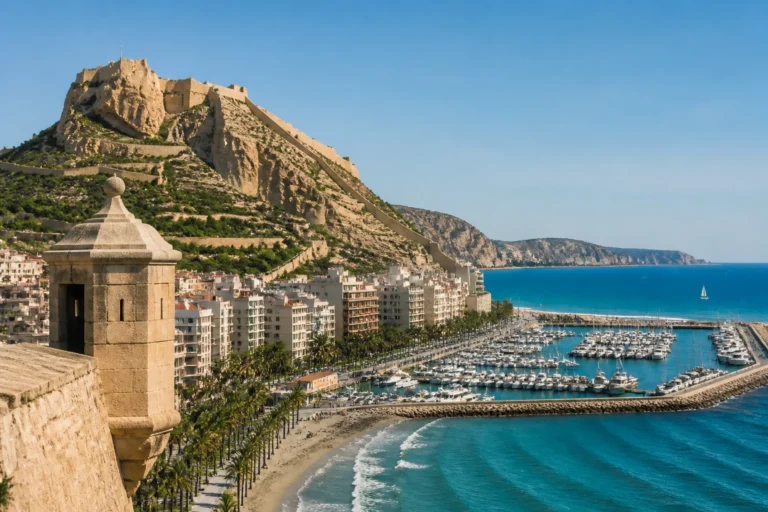 AI illustration
Alicante
Alicante is an easygoing Mediterranean city where a compact old centre, a long waterfront and a busy local food…
Explore destination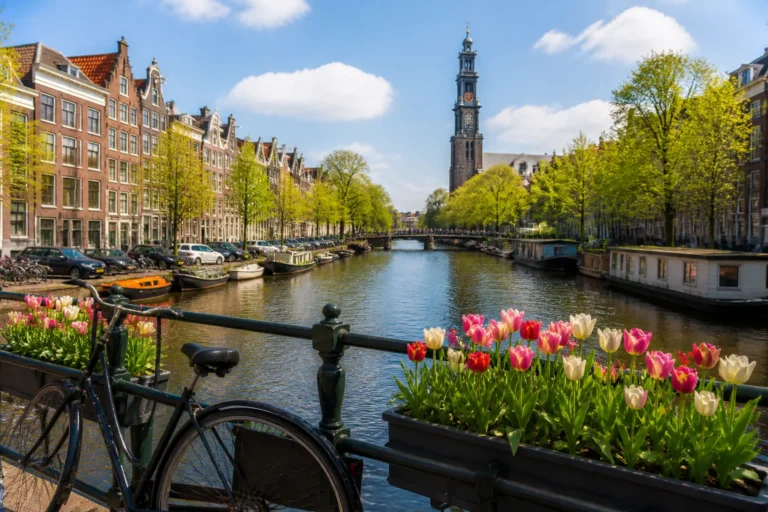 AI illustration
Amsterdam
Amsterdam combines a compact historic centre with a broad mix of museums, neighbourhood cafés and quieter residential streets. Its…
Explore destination