
Croatia · Europe
Zagreb Travel Guide for Independent Travellers
Zagreb is Croatia’s compact capital, combining a walkable historic centre, lively cafés, museums, markets and a growing food scene. It works well as a short city break on its own, but it is also a practical stopover before heading to the coast or neighbouring countries. This guide covers the essentials for planning a flexible trip to Zagreb without overcomplicating it.
Find flights to Zagreb ↓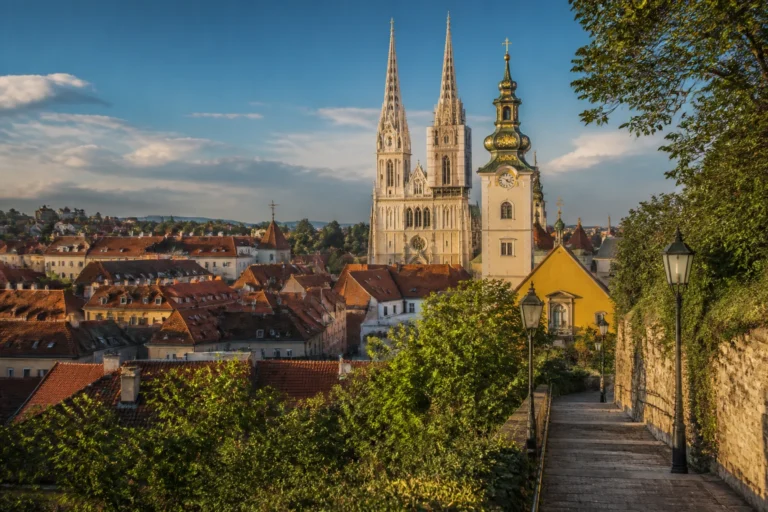 AI illustration
Find flights to Zagreb
Compare flights · EURAbout Zagreb
Zagreb is a good choice if you want a European capital that feels manageable rather than overwhelming. The city centre is easy to navigate on foot, with the historic Upper Town, the broader Lower Town and several green spaces giving it a relaxed rhythm. It is less about big-ticket landmarks and more about everyday atmosphere: trams passing old squares, neighbourhood cafés, museums, markets and a strong local routine.
For independent travellers, Zagreb is especially appealing because it rewards slow exploration. You can move between galleries, parks and side streets without needing a packed itinerary, and the city’s café culture makes it easy to pause rather than rush. It also pairs well with the rest of Croatia, whether you are connecting onward to the coast or using Zagreb as a weekend destination in its own right.
- Walkable centre with distinct Upper Town and Lower Town areas
- Strong café culture and a relaxed city rhythm
- Useful base for onward travel in Croatia and beyond
Things to do in Zagreb
Start in the historic core around Upper Town, where cobbled streets, viewpoints and older civic buildings give you a sense of the city’s origins. The area is small enough to explore on foot and works well in the morning or late afternoon, when it feels calmer. From there, head down into Lower Town for broader boulevards, parks and a more urban, everyday side of Zagreb.
Zagreb is also a city for museums and markets. You can choose between major institutions, smaller specialised collections and open-air browsing at local markets, depending on your interests. For a slower day, spend time in the green belt that runs through the centre, or sit out at a café and watch the city move around you. If you are planning an overnight stay, leave room for an evening walk: the centre has a pleasant atmosphere after dark without needing a strict sightseeing schedule.
- Explore Upper Town on foot for historic streets and city views
- Browse markets and museums for a local feel
- Use parks and cafés as part of the sightseeing, not just a break from it
Best time to visit Zagreb
Zagreb can be visited year-round, but the most comfortable times for many travellers are spring and early autumn, when temperatures are usually more suited to walking and outdoor café time. These shoulder seasons are often a good fit if you want to spend most of your trip on foot and avoid the hottest or coldest stretches of the year.
Summer can feel lively but also warmer and busier, especially around central outdoor areas, while winter suits travellers who like a more atmospheric city break and do not mind shorter days. If you are combining Zagreb with the Croatian coast, it can work well as a springboard at the beginning or end of a wider itinerary. Rather than aiming for a specific week, think in terms of what kind of city experience you want: mellow, social, or compact and cultural.
- Spring and early autumn are comfortable for walking
- Summer brings a busier outdoor café scene
- Winter suits a quieter, more atmospheric city break
How long to stay in Zagreb
A short stay of one to two full days is enough for the main central sights, a relaxed café stop and a few neighbourhood walks. That is ideal if Zagreb is part of a longer trip through Croatia and you mainly want a good introduction to the city before moving on.
If you have three days or more, Zagreb starts to feel more rewarding because you can split your time between the historic centre, museums, parks, shopping streets and slower local areas. A longer stay also leaves space for unhurried meals, day-by-day planning and perhaps a less structured approach to the city, which is often when Zagreb’s everyday character becomes most memorable.
- 1–2 days for the central highlights
- 3 days or more for a slower, fuller visit
- Useful as a stopover or a standalone city break
Airports and transport in Zagreb
Zagreb is served by Franjo Tuđman Airport, the city’s main airport and the usual arrival point for visitors. From there, travellers typically continue by airport bus, taxi, ride-hailing service or other local transfer options depending on time of day and luggage. For current connections and terminal arrangements, it is best to check the airport and official transport operator information before you travel.
Within the city, trams are a key part of getting around and are often the most useful option for reaching central districts and everyday neighbourhoods. The compact centre also makes walking practical for many routes. If you are planning to travel beyond Zagreb, the city works well as a rail and bus hub for domestic and regional connections, but schedules can change, so treat station information as something to confirm close to departure.
- Franjo Tuđman Airport is the main gateway to the city
- Trams are important for getting around Zagreb
- Walking is practical in the centre and historic districts
Where to stay in Zagreb
For a first visit, staying in or near the centre usually makes the trip simpler. The historic core and nearby Lower Town put you within reach of major sights, cafés, trams and evening activity, which is useful if you want to minimise time spent moving around. This is often the easiest option for a short break.
If you prefer a quieter atmosphere, look just outside the busiest central blocks, where you may find a more residential feel while still being able to reach the centre easily. Travellers who plan to use public transport often benefit from staying near a tram corridor, while those with more luggage or later arrivals may appreciate straightforward access from the airport or main station area. Choose based on how you like to travel: central and walkable, or slightly calmer and more local.
- Centre or Lower Town for first-time visitors
- Areas near tram lines suit easy city movement
- A slightly quieter residential edge can still be practical
Practical tips for visiting Zagreb
Plan for mixed weather if you are visiting outside the warmest months, and pack layers so you can move comfortably between outdoor walks and indoor stops. Comfortable shoes matter more than people expect, because the city is best experienced on foot and some historic streets are less forgiving than modern boulevards. If you are using trams, allow extra time at peak periods and keep an eye on official local information for any route or ticket changes.
Zagreb is straightforward for independent travellers, but a little preparation still helps. Keep your accommodation close to a tram stop or the centre if you want easy evenings out, and build in unscheduled time for cafés, markets and side streets. If you are linking Zagreb with other Croatian destinations, check onward transport well in advance, especially around holidays and weekends when demand can be higher.
- Wear comfortable shoes for walking the centre
- Check official transport information before arrival
- Leave room in your itinerary for cafés and unplanned exploring
Frequently asked questions about Zagreb
Is Zagreb worth visiting for a short city break?
Yes. Zagreb works well for a short break because the centre is compact, walkable and easy to combine with cafés, museums and relaxed sightseeing.
How many days do you need in Zagreb?
Most travellers can get a good feel for the city in one to two full days, while three days or more allows for a slower pace and more neighbourhood exploring.
Is Zagreb easy to get around without a car?
Yes. The centre is walkable and trams are useful for getting around the wider city, so a car is usually not necessary for a city stay.
What is the main airport for Zagreb?
Zagreb is served by Franjo Tuđman Airport, which is the city’s main airport and the usual arrival point for international visitors.
Which area is best for first-time visitors to stay in?
Staying in or near the centre, especially around the historic core or Lower Town, is usually the most convenient option for a first visit.
Travel information can change. Check official transport operators and attraction websites before booking.
Editorial review: 23 Oct 2026
More destinations to explore
 AI illustration
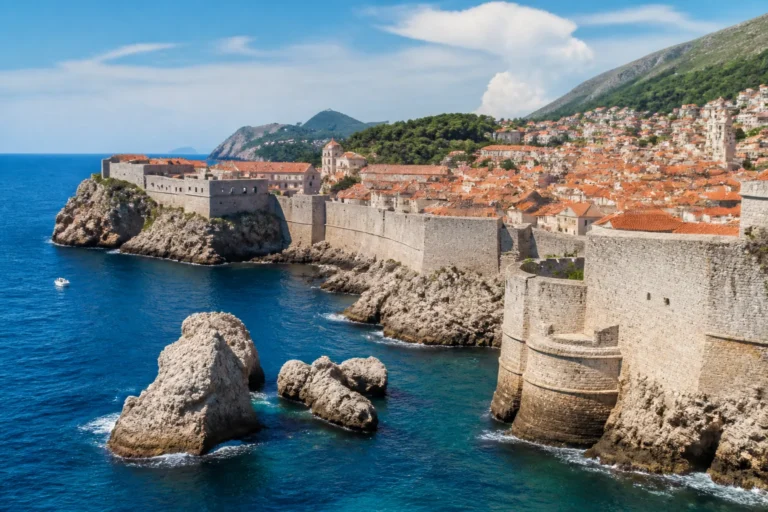
Dubrovnik
Dubrovnik is one of the Adriatic’s most distinctive city breaks, with limestone streets, sea views and a compact old…
Explore destination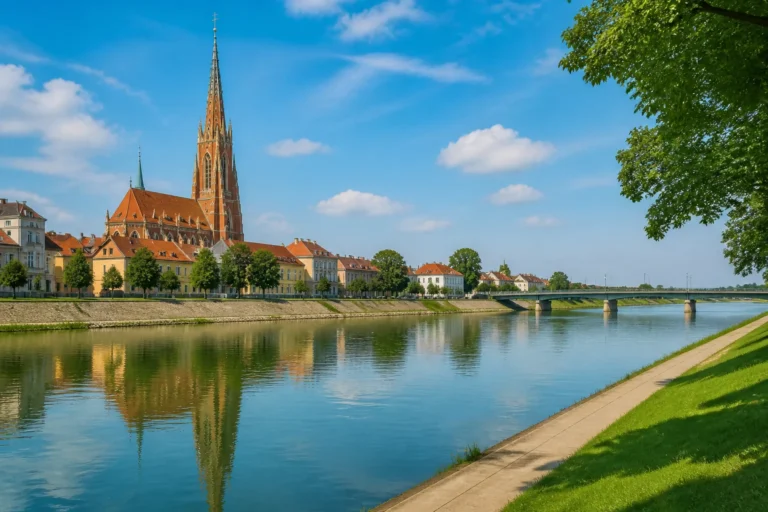 AI illustration
Osijek
Osijek offers a quieter city break in eastern Croatia, with a walkable centre, riverside paths and the Baroque streets…
Explore destination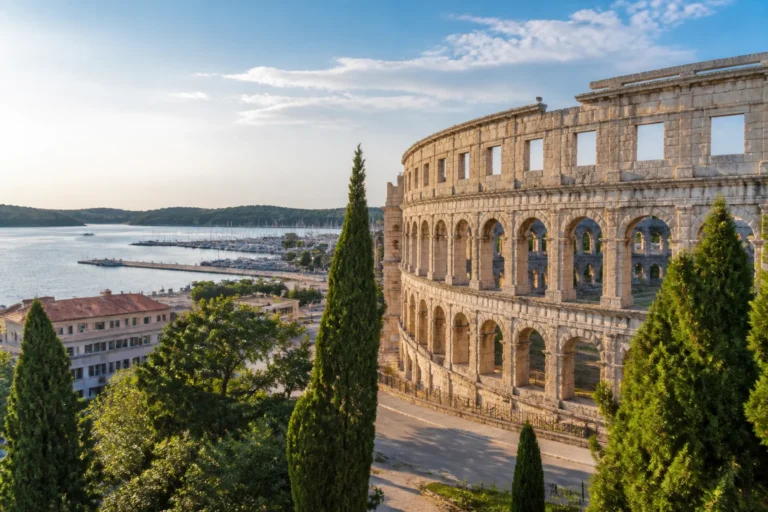 AI illustration
Pula
Pula is one of Croatia’s most interesting coastal cities: compact, walkable, and full of Roman heritage, but also practical…
Explore destination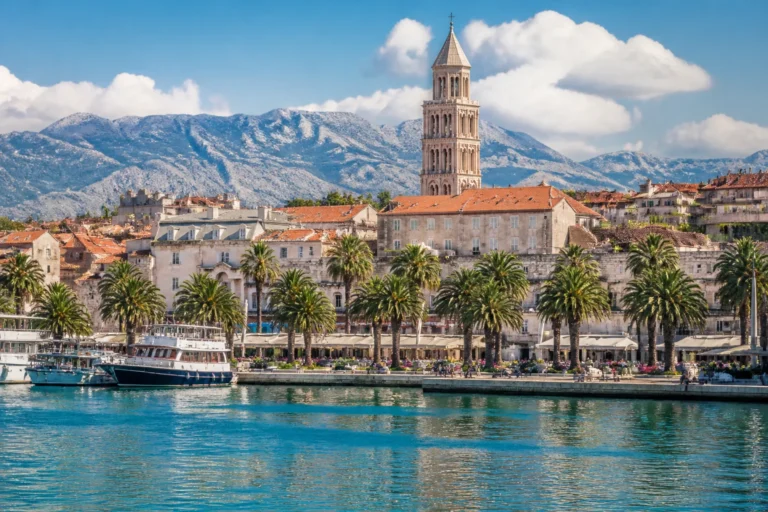 AI illustration
Split
Split combines a lively Adriatic waterfront with a historic centre built around the remains of Diocletian’s Palace. Its ferry…
Explore destination