
Luxembourg · Europe
Luxembourg City Travel Guide for Independent Travellers
Luxembourg City is compact, polished and full of contrasts: medieval walls and modern institutions, quiet riverside paths and steep streets linked by lifts and bridges. It works well for a short city break, but it also rewards travellers who slow down and explore neighbourhoods beyond the postcard views. This guide covers the practical essentials for planning a flexible visit to Luxembourg City.
Find flights to Luxembourg ↓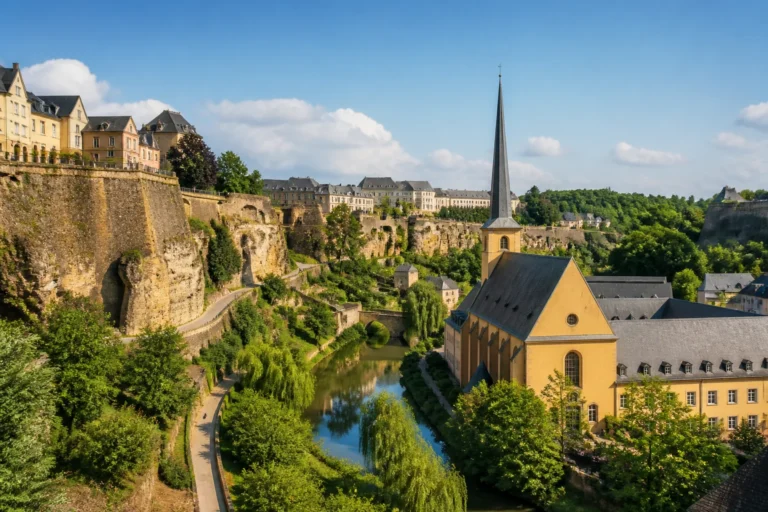 AI illustration
Find flights to Luxembourg
Compare flights · EURAbout Luxembourg City
Luxembourg City is the capital of the Grand Duchy of Luxembourg and one of Europe’s most distinctive small capitals. Its historic centre sits on dramatic cliffs above the Alzette and Pétrusse valleys, which gives the city strong views and an unusually layered landscape. You can move from the old town to the business districts and EU quarter in a relatively small area, but the mood changes quickly from historic to administrative to residential.
For independent travellers, the city is appealing because it is easy to navigate, well connected and manageable without a car. It also makes a good base for exploring the wider country by train or bus, especially if you want to combine city sights with river valleys, vineyards or smaller towns. The city feels tidy and efficient, but there is enough history, architecture and café culture to fill a short break without rushing.
- Compact centre with steep terrain and scenic viewpoints
- Mix of old town, institutional quarter and modern districts
- Useful base for day trips around Luxembourg
Things to Do in Luxembourg City
Start in the old town and the UNESCO-listed areas around the fortifications, where the city’s military past is still visible in walls, casemates and bastions. The viewpoints around the valleys are among the biggest rewards of a visit, and many of the city’s best walks involve crossing bridges, descending into the lower town and climbing back up by foot, lift or funicular. The terrain is part of the experience, so comfortable shoes are more useful here than in many capitals.
For museums and culture, Luxembourg City offers a strong mix rather than one single headline attraction. You can focus on the National Museum of History and Art, the city’s contemporary art and architecture scene, or simply spend time in different districts to see how the capital balances heritage and modern life. Clausen and Grund are good for atmosphere, while the Kirchberg plateau shows the city’s more contemporary side.
If you like slower travel, build in time for walks along the river valleys, lunch in the centre and an evening in a neighbourhood restaurant or wine bar. The city also works well for a half-day or full-day excursion to the countryside if you want a change of pace, but even within the city itself there is enough to explore without repeating the same streets twice.
- Walk the old town and fortress viewpoints
- Explore museums and architecture across different districts
- Spend time in Grund, Clausen and Kirchberg for contrast
Best Time to Visit Luxembourg City
Luxembourg City is a year-round destination, but it is most comfortable when you can enjoy the streets, terraces and viewpoints without weather getting in the way. Spring and early autumn are often the easiest seasons for city walking and outdoor sightseeing, while summer brings longer evenings and a livelier café atmosphere. Winter can still work well if you prefer quieter streets and indoor visits, though you should expect shorter daylight hours.
Because the city is compact, the experience changes more with your own travel style than with the calendar. If you want outdoor walks and valley views, choose a milder period. If you care more about museums, restaurants and low-key urban wandering, any season can work as long as you plan your time to suit the weather and daylight.
- Spring and early autumn suit walking and viewpoints
- Summer is good for longer evenings and outdoor terraces
- Winter is calm and works well for museum-focused trips
How Long to Stay in Luxembourg City
One full day is enough to see the main historic sights, but it can feel rushed if you also want museums, valley walks and time to linger over meals. Two days is a better fit for most independent travellers: it allows you to explore the old town, cross into the lower quarters and still have time for a neighbourhood-based lunch or evening out.
If you want a slower trip, or if Luxembourg City is part of a wider tour of the country, three days gives you a more balanced pace. That extra time lets you mix sightseeing with one easy day trip, perhaps into the countryside or to another town reachable by public transport. The city is not a place that demands a long stay, but it does benefit from unhurried exploring.
- 1 day for the main historic centre
- 2 days for a comfortable city break
- 3 days if you want one day trip as well
Airports and Transport in Luxembourg City
Luxembourg Airport is the main airport for the city and country, and it is the most practical arrival point for most visitors. From there, public transport into the city is straightforward, with buses serving the centre and surrounding districts. As services can change, check current routes and timetables with the official transport providers before you travel.
Getting around the city is relatively simple because public transport is extensive and the centre is compact, though the hills mean that some walks are steeper than they look on a map. Buses are useful for longer cross-city trips, while lifts, escalators and funicular-style connections can help you move between the upper and lower parts of town. If you are arriving by rail, the central station is connected to the rest of the country and to nearby international destinations, but exact patterns vary by route and day. For current information, use the official railway and transport websites.
Taxis and ride-hailing can be convenient for luggage or late arrivals, but they are better treated as point-to-point options rather than the main way to explore. If you plan to leave the city, Luxembourg’s public transport network is one of the easiest ways to reach smaller towns and scenic areas without driving.
- Luxembourg Airport is the main air gateway
- Public transport is practical for city and country travel
- Hilly terrain makes lifts and escalators especially useful
Where to Stay in Luxembourg City
Stay in the historic centre if you want the easiest access to the main sights, viewpoints and restaurants. This is the most straightforward choice for a short break, especially if you prefer being able to walk back to your accommodation after dinner. The trade-off is that the area can feel busy at peak times and accommodation may be more limited.
The lower town areas such as Grund and Clausen offer a more atmospheric stay, with river views, bars and a slightly more local feel. These neighbourhoods are good if you want evenings to feel relaxed and scenic, though the uphill walks can be a factor. Kirchberg is useful for travellers focused on modern architecture, institutions or business travel, and it can be a practical option if you want efficient transport links and a quieter base after work hours.
For value and convenience, some travellers look just outside the centre and use public transport to move around. That can work well in Luxembourg City because the network is reliable and the centre is compact, but if your stay is very short, being close to the core will save time.
- Historic centre for first-time visitors
- Grund and Clausen for atmosphere and river views
- Kirchberg for modern city stays and good connections
Practical Tips for Visiting Luxembourg City
Plan for hills. Luxembourg City looks walkable on paper, and it is, but the terrain means that routes often involve steep climbs, stairs or alternative transport such as lifts and funicular connections. Comfortable shoes make a noticeable difference, especially if you want to see both the upper and lower parts of the city in one day.
If you are visiting during a short break, group sights by area rather than trying to zigzag across the city. That saves time and helps you enjoy the contrast between neighbourhoods. It is also worth checking opening days and seasonal hours for museums, fortification sites and smaller attractions, since these can vary more than visitors expect.
Finally, treat Luxembourg City as both a destination and a gateway. Many travellers come for the capital and then add a day trip to see more of the country. That combination works particularly well if you want a trip that feels varied without requiring long travel times or complicated logistics.
- Wear shoes suited to steep streets and steps
- Group sights by neighbourhood to reduce backtracking
- Combine the city with an easy day trip if time allows
Frequently asked questions about Luxembourg
Is Luxembourg City easy to visit without a car?
Yes. The centre is compact and public transport is useful for moving between districts, the station and the airport. A car is usually unnecessary for a city break unless you plan to explore more remote parts of the country.
How many days do I need in Luxembourg City?
Most independent travellers find two days enough for a comfortable visit, especially if they want to see the old town, viewpoints and at least one museum. One day is possible for a fast stopover, while three days gives more room for a day trip.
Which area is best for first-time visitors?
The historic centre is the most convenient base for a first visit because it puts major sights, restaurants and viewpoints within easy reach. If you prefer a livelier evening atmosphere, Grund and Clausen can also be appealing.
Can I combine Luxembourg City with day trips?
Yes. The city works well as a base for exploring other parts of Luxembourg by public transport. A half-day or full-day trip can be a good addition if you want a broader view of the country without changing hotels.
Is Luxembourg City suitable for a short weekend break?
Very much so. Its compact size, transport links and mix of heritage and modern districts make it well suited to a weekend itinerary, especially if you enjoy walking and do not mind some hills.
Travel information can change. Check official transport operators and attraction websites before booking.
Editorial review: 23 Oct 2026
More destinations to explore
 AI illustration
Adler/Sochi
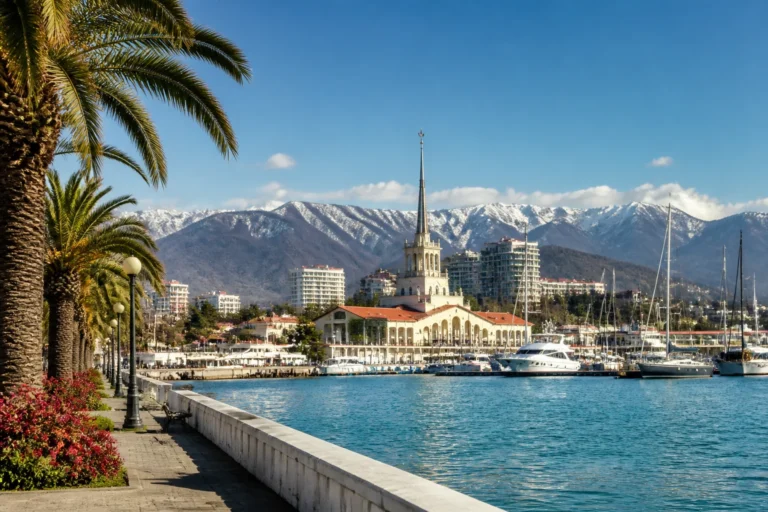
Adler and Sochi stretch along Russia’s Black Sea coast, combining seaside promenades and parks with access to mountain landscapes.…
Explore destination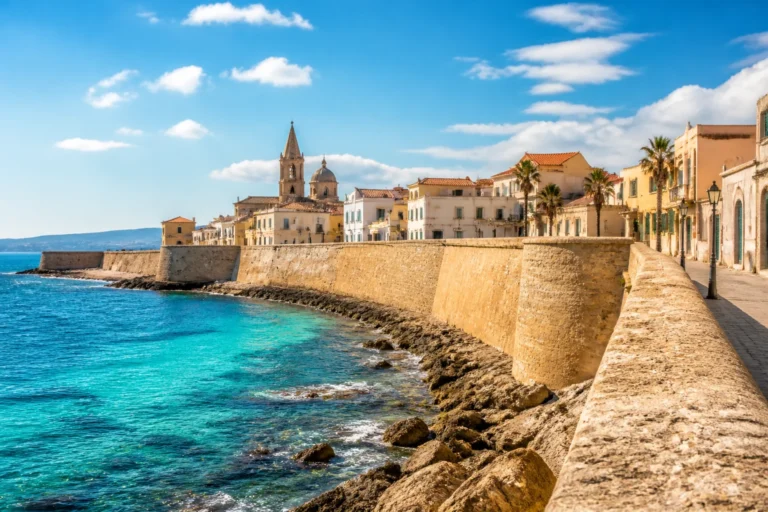 AI illustration
Alghero
Alghero, on the north-west coast of Sardinia, combines a historic centre with easy access to beaches and the coastal…
Explore destination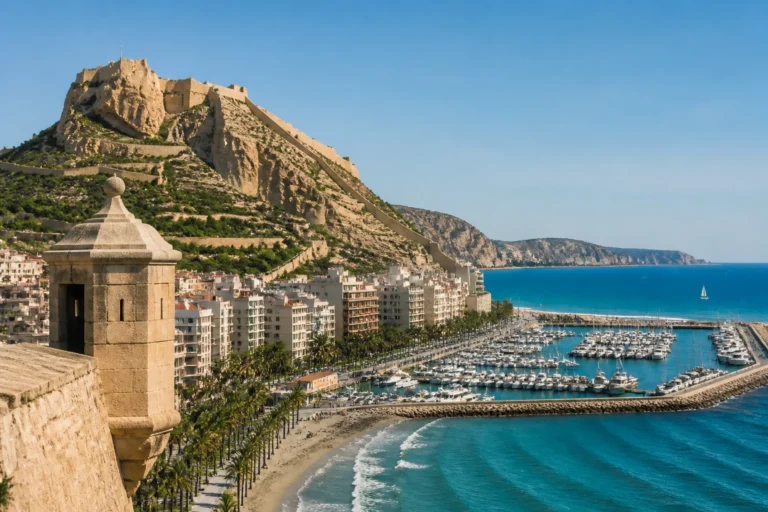 AI illustration
Alicante
Alicante is an easygoing Mediterranean city where a compact old centre, a long waterfront and a busy local food…
Explore destination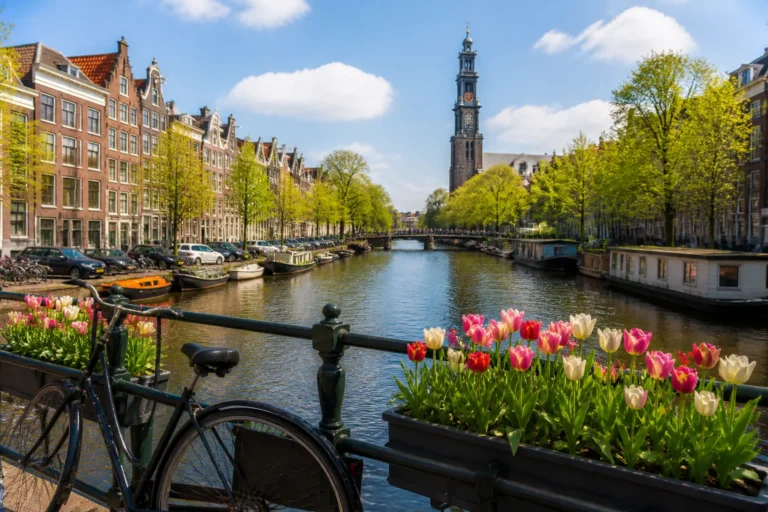 AI illustration
Amsterdam
Amsterdam combines a compact historic centre with a broad mix of museums, neighbourhood cafés and quieter residential streets. Its…
Explore destination