
Estonia · Europe
Tallinn Travel Guide for European Visitors
Tallinn is one of Europe’s most appealing compact capitals: easy to explore on foot, rich in medieval character, and balanced by a strong modern food, design and digital scene. For independent travellers, it works well as a short city break or as part of a wider Baltic trip. Expect a walkable old town, seawater views, neighbourhood cafés, and straightforward public transport once you leave the centre.
Find flights to Tallinn ↓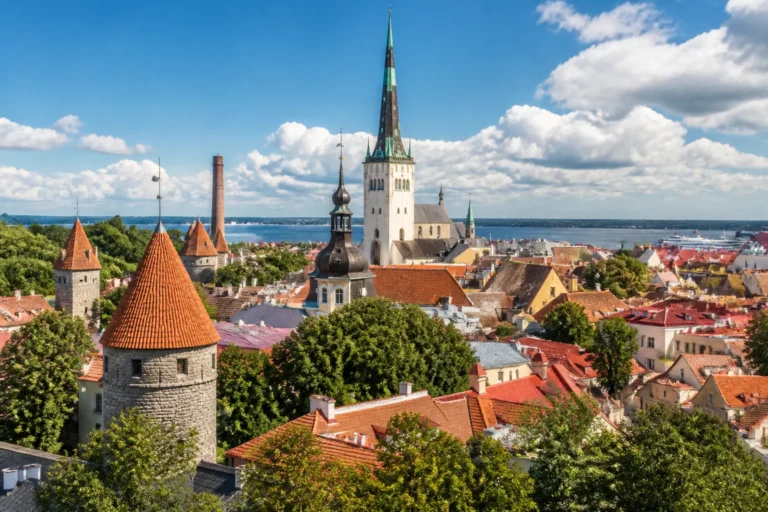 AI illustration
Find flights to Tallinn
Compare flights · EURAbout Tallinn
Tallinn is the capital of Estonia and one of the best-preserved medieval city centres in Northern Europe. Its Old Town is the main draw, but the city is not just a postcard setting: it also has a modern side shaped by startups, galleries, waterfront redevelopment and a growing restaurant scene. That mix makes Tallinn appealing to travellers who want both atmosphere and convenience.
For most visitors, Tallinn is easy to understand quickly. The centre is compact, distances are short, and many of the main sights can be linked on foot. At the same time, districts such as Kalamaja, Kadriorg and the harbour area add a different feel, so it is worth looking beyond the old walls if you have more than a day.
- Compact city centre with strong walkability
- Historic Old Town plus modern neighbourhoods
- Good base for a short break or Baltic itinerary
Things to Do in Tallinn
Start in the Old Town, where cobbled lanes, church towers and city walls create the classic Tallinn experience. The upper town and lower town each have their own character, so allow time to wander rather than rushing between landmarks. Even without a strict sightseeing plan, this is the part of the city where you will get the clearest sense of its long history.
Beyond the centre, Kalamaja is one of the most rewarding areas for a more local feel, with wooden houses, cafés and creative spaces. Kadriorg is a quieter choice, known for parks and elegant streets, while the seafront and former industrial areas show how Tallinn has developed beyond its heritage core. If you enjoy museums, design, maritime history or architecture, you will find enough variety for a full day or two.
- Explore both the upper and lower parts of the Old Town
- Walk through Kalamaja for cafés and wooden architecture
- Leave time for parks, museums and the waterfront
Best Time to Visit Tallinn
Tallinn can be visited year-round, but the experience changes a lot with the seasons. Late spring and summer are the easiest times for long walks, outdoor dining and daylight-filled evenings. These months are especially pleasant if you want to combine sightseeing with ferries, coastal views or relaxed neighbourhood exploring.
Autumn often suits travellers who prefer fewer crowds and a calmer pace, while winter brings a more atmospheric city break feel, especially in the Old Town. That said, the weather can be cold and changeable, so pack for layers and expect some outdoor sightseeing to feel shorter than it would in warmer months. If you are planning a Christmas-period trip, check opening hours and events in advance with official sources.
- Late spring and summer are best for long days and walking
- Autumn offers a quieter city break atmosphere
- Winter can be scenic, but plan for cold conditions
How Long to Stay in Tallinn
A single full day can cover the main sights in the Old Town, but two to three days is a much better fit for independent travellers. That gives you time to explore at a relaxed pace, move into neighbourhoods such as Kalamaja and Kadriorg, and fit in a museum, a café stop or a waterfront walk without feeling rushed.
If you are using Tallinn as part of a broader Baltic itinerary, it also works well as a stop of several nights because the city is compact and easy to navigate. Longer stays suit travellers who want to sample the food scene, work remotely for a few days or use Tallinn as a base for slower exploration rather than a checklist visit.
- 1 day for the essentials, 2–3 days for a fuller visit
- Extra time suits neighbourhood exploring and museums
- Works well as a short stop on a wider Baltic route
Airports and Transport
Tallinn is served by Tallinn Airport (TLL), which is close to the city centre by European standards and convenient for short breaks. From the airport, travellers typically use public transport, taxis or pre-booked rides to reach central areas. For current route and transport details, it is best to check the airport and local operator information directly before travelling.
Inside the city, public transport is the practical way to cover longer distances, while walking remains the easiest option in the centre. Trams and buses are useful for getting to districts such as Kadriorg, the harbour zone or areas beyond the core. If you plan several journeys, look at local ticketing options in advance rather than buying single rides repeatedly.
- Tallinn Airport is close to the centre
- Walking is ideal in the historic core
- Trams and buses help with longer city hops
Where to Stay in Tallinn
For a first visit, staying near the Old Town gives you the most convenient base for sightseeing, especially if your trip is short. You will be within easy walking distance of the main landmarks and have simple access to cafés, restaurants and transport connections. The trade-off is that it can feel busier and more tourist-oriented than other parts of the city.
If you prefer a more local atmosphere, Kalamaja is a strong option, with creative energy, residential streets and easy access to both the centre and the waterfront. Kadriorg suits travellers who want a calmer setting with parks and elegant surroundings, while the harbour area can work well for ferry connections and practical logistics. Choose according to your priorities rather than trying to be close to everything.
- Old Town for first-time convenience
- Kalamaja for a creative, local-feeling base
- Kadriorg for a quieter stay near parks
Practical Tips for Tallinn
Tallinn rewards unhurried exploring, so comfortable walking shoes are more useful than trying to pack too many plans into one day. The Old Town has uneven surfaces in places, and some viewpoints are best reached on foot. A simple route through a few neighbourhoods will usually be more satisfying than a long list of stops.
For independent travellers, it helps to keep an eye on opening days and seasonal hours, especially for museums, churches and smaller attractions. Card payments are widely used in the city, but it is still sensible to carry a little cash where needed. If you are combining Tallinn with a ferry trip or onward travel, build in some buffer time rather than scheduling very tight connections.
- Wear comfortable shoes for cobbles and hills
- Check seasonal opening hours before visiting museums
- Allow extra time for ferry or onward transport connections
Frequently asked questions about Tallinn
Is Tallinn easy to visit without a car?
Yes. Tallinn is one of the easier European capitals to explore without a car, especially if you stay near the centre. Walking works well in the Old Town, and public transport helps with wider city travel.
What is Tallinn best known for?
Tallinn is best known for its medieval Old Town, atmospheric streets, and the contrast between historic architecture and a modern, digitally minded city.
Can you see Tallinn in one day?
You can see the main sights in one day, but it will feel like a highlights visit. Two or three days give you time to enjoy the Old Town, nearby neighbourhoods and the waterfront more comfortably.
Which part of Tallinn is best for first-time visitors?
The Old Town is usually the easiest base for a first trip because you can walk to the main attractions. If you want a quieter, more local feel, Kalamaja is a good alternative.
Is Tallinn a good city for a winter break?
It can be. Winter gives Tallinn a distinctive atmosphere, especially in the historic centre, but you should plan for cold, darker days and check opening hours carefully.
Travel information can change. Check official transport operators and attraction websites before booking.
Editorial review: 23 Oct 2026
More destinations to explore
 AI illustration
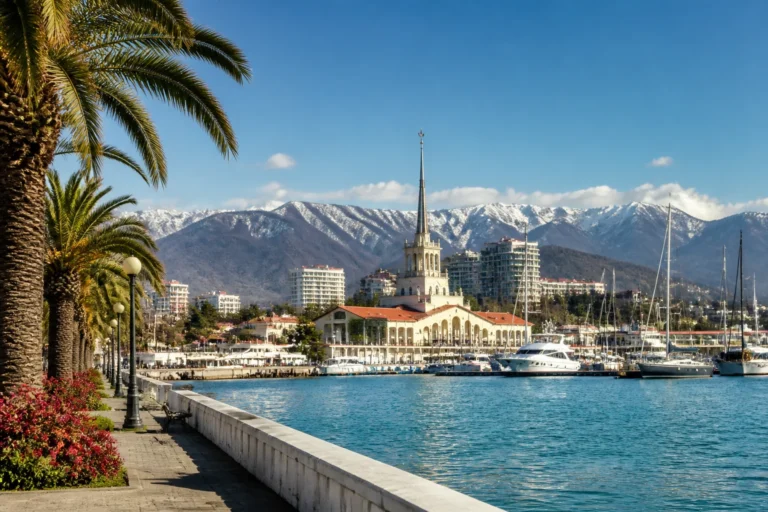
Adler/Sochi
Adler and Sochi stretch along Russia’s Black Sea coast, combining seaside promenades and parks with access to mountain landscapes.…
Explore destination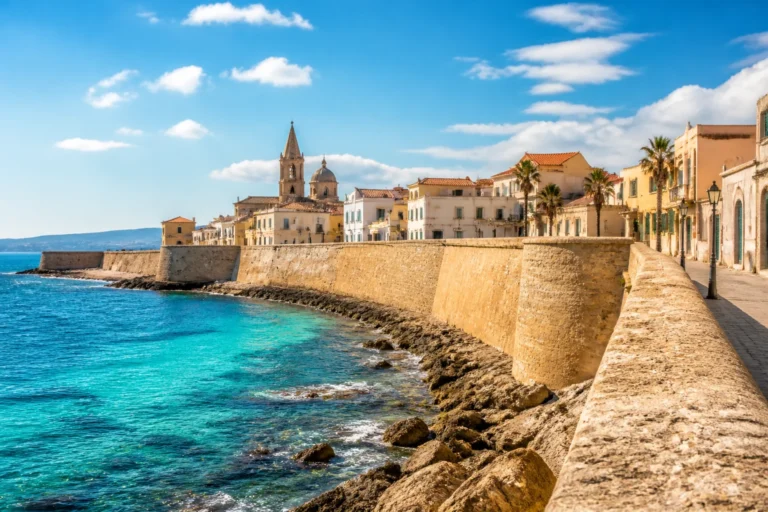 AI illustration
Alghero
Alghero, on the north-west coast of Sardinia, combines a historic centre with easy access to beaches and the coastal…
Explore destination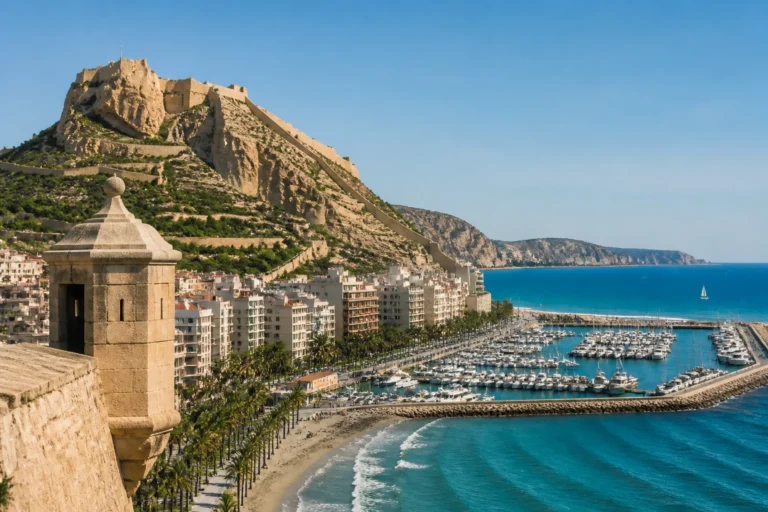 AI illustration
Alicante
Alicante is an easygoing Mediterranean city where a compact old centre, a long waterfront and a busy local food…
Explore destination AI illustration
Amsterdam
Amsterdam combines a compact historic centre with a broad mix of museums, neighbourhood cafés and quieter residential streets. Its…
Explore destination