
Lithuania · Europe
Vilnius travel guide for independent visitors
Vilnius is an easygoing Baltic capital with a compact old town, creative neighbourhoods and plenty of green space. It works well for a short city break, but it also rewards travellers who slow down and look beyond the main square: you will find baroque churches, Soviet-era layers, riverside walks and a strong café culture. This guide is aimed at independent European travellers planning a practical, well-paced visit.
Find flights to Vilnius ↓ AI illustration
Find flights to Vilnius
Compare flights · EURAbout Vilnius
Vilnius, the capital of Lithuania, is one of Europe’s more relaxed capitals. Its historic centre is large enough to feel varied, but still walkable, and the city’s character comes from a mix of churches, narrow courtyards, contemporary cafés and a growing arts scene. The old town is a UNESCO-listed area, yet the atmosphere is not overly formal; it feels lived in rather than preserved behind glass.
For many visitors, Vilnius is appealing because it is straightforward. Distances are manageable, English is commonly understood in tourist-facing settings, and there is no need to over-plan every hour. It suits travellers who like wandering between architectural landmarks, stopping for coffee, and leaving time for spontaneous detours into side streets, bookshops or small galleries.
- Walkable historic centre with a strong local feel
- Good base for a short Baltic city break
- Mix of baroque architecture, courtyards and creative spaces
Things to do in Vilnius
Start with the Old Town, where the main pleasure is simply moving between streets and squares rather than ticking off a list. Cathedral Square, the Gate of Dawn and the University area give a good first impression of the city’s layered history. For a broader view, climb Gediminas Hill if conditions allow, or head to nearby viewpoints for a look over rooftops and church towers.
Vilnius also has neighbourhoods that feel different from the historic centre. Užupis is known for its artistic identity, murals and cafes, while areas just beyond the old town can show more of daily city life. If you enjoy museums, consider a mix of history and contemporary culture rather than trying to see everything in one day. The city’s food and drink scene is also worth time: try local restaurants, bakeries and informal bars rather than only staying on the main tourist streets.
If you want a slower itinerary, build in river walks, park time and a few unscheduled hours. Vilnius is a good city for that kind of travel because some of its best moments come from moving between recognisable landmarks and quieter corners.
- Explore the Old Town on foot
- Visit Užupis for a more creative atmosphere
- Add a viewpoint, museum or riverside walk to balance the day
Best time to visit Vilnius
Vilnius can be visited year-round, but the experience changes a lot with the seasons. Late spring and early autumn are often the easiest periods for sightseeing, with longer days and more comfortable conditions for walking. Summer brings the liveliest outdoor atmosphere, especially around cafés, parks and terraces, while winter can feel atmospheric if you enjoy compact city breaks and don’t mind shorter days.
If you are planning a relaxed weekend, try to think less about the calendar and more about what you want the city to feel like. Warm-weather months make it easier to spend time outdoors and combine the old town with parks and viewpoints. Cooler months suit travellers who prefer museums, coffee stops and an indoor-focused itinerary. Around public holidays and major events, accommodation and transport demand can be different from a normal week, so it is sensible to check dates in advance.
- Late spring and early autumn are often comfortable for walking
- Summer suits outdoor cafés and longer evenings
- Winter works well for a cosy, museum-led trip
How long to stay in Vilnius
One full day is enough to sample the old town and get a sense of the city, but it can feel rushed. With two days, you can see the main historic areas, spend more time in cafés and museums, and include at least one neighbourhood beyond the centre. Three days is a comfortable length if you like slower travel, want to explore more carefully, or plan to take a half-day trip outside the city.
For a first visit, two nights is often a practical minimum. That usually gives you a first evening, a full day of sightseeing, and time on the final morning without needing to pack too much into a single schedule. If your trip is part of a wider Lithuania or Baltic itinerary, Vilnius also works well as a flexible stop rather than only a standalone destination.
- 1 day: a quick overview of the centre
- 2 days: a balanced first visit
- 3 days: better for slower travel and neighbourhood exploring
Airports and transport in Vilnius
Vilnius Airport is the main gateway for most international visitors. It is relatively close to the city, which makes arrivals straightforward compared with some larger capitals. For current transport options, check the airport and local operator information before you travel, as services and timetables can change. Taxis and ride-hailing may be available, but the best choice depends on your arrival time, luggage and destination in the city.
Within Vilnius, the centre is very walkable, which is one reason many travellers do not need much transport once they arrive. Public transport can help with longer cross-city journeys, and it is worth understanding the basic network if your accommodation is outside the old town. If you are planning day trips or late-night returns, it is safer to confirm how you will get back before setting out. For intercity travel, Lithuanian rail and bus services can be useful, but schedules should always be checked directly with the operator.
- Vilnius Airport is the main arrival point
- The old town is best explored on foot
- Check official operators for up-to-date public transport details
Where to stay in Vilnius
The best area for a first stay is usually the Old Town or its edge, especially if you want to walk to major sights and have cafés, restaurants and evening options nearby. This is the most convenient base for short trips, although some streets can be busier or more tourist-oriented than others. Staying just outside the core can sometimes offer a quieter feel while still keeping the centre within reach.
Užupis suits travellers who want something a little more local and creative, while central districts close to the station or main avenues may be practical for transport links and a broader choice of accommodation. If you prefer a calm atmosphere, look for streets a short walk from the busiest squares rather than directly on them. As always, the right area depends on whether you value nightlife, convenience, quiet or a more residential feel.
- Old Town for first-time convenience
- Užupis for a creative, neighbourhood feel
- Central outer streets can offer a quieter base
Practical tips for Vilnius
Vilnius is easy to enjoy if you keep the trip simple. Wear comfortable shoes, because the most satisfying way to see the city is still by walking between streets, courtyards and viewpoints. Some historic areas have cobbles or gentle hills, so a flexible pace helps. It is also sensible to carry a payment card and some cash, since smaller places may have their own preferences.
If you are planning to visit churches, museums or cultural sites, check opening times directly rather than assuming they match standard tourist hours. Sundays, holidays and seasonal changes can affect access. In restaurants and cafés, service can be relaxed rather than rushed, so allow a little extra time if you have a train, flight or evening plan afterwards. Finally, if you want to go beyond the centre, map out your route before leaving so you can make the most of the city’s compact layout.
- Comfortable walking shoes are essential
- Check opening hours directly before you go
- Allow extra time for meals, transfers and detours
Frequently asked questions about Vilnius
Is Vilnius good for a short city break?
Yes. Vilnius works very well for a short break because the main sights are concentrated, the centre is easy to walk, and you can combine historic landmarks with cafés and quieter neighbourhood time without needing a complicated itinerary.
Do I need a car in Vilnius?
Usually not for a city stay. Most visitors can rely on walking, public transport and occasional taxis or ride-hailing. A car only starts to make sense if you are planning to explore beyond the city on your own terms.
Which part of Vilnius is best for first-time visitors?
The Old Town is the most convenient base for a first visit because it puts you close to major sights, dining and evening options. If you prefer a calmer atmosphere, look at nearby streets rather than the busiest central squares.
How many days do I need in Vilnius?
Two days is a comfortable starting point, especially for a first trip. That gives you enough time for the old town, one or two museums or viewpoints, and a slower meal or café stop without feeling rushed.
Is Vilnius easy to combine with other Baltic cities?
Yes, it often fits well into a wider Baltic itinerary. Travellers commonly combine it with other cities in Lithuania or nearby capitals, but exact transport options and journey times should be checked with the relevant operators before booking.
Travel information can change. Check official transport operators and attraction websites before booking.
Editorial review: 23 Oct 2026
More destinations to explore
 AI illustration
Adler/Sochi
Adler and Sochi stretch along Russia’s Black Sea coast, combining seaside promenades and parks with access to mountain landscapes.…
Explore destination AI illustration
Alghero
Alghero, on the north-west coast of Sardinia, combines a historic centre with easy access to beaches and the coastal…
Explore destination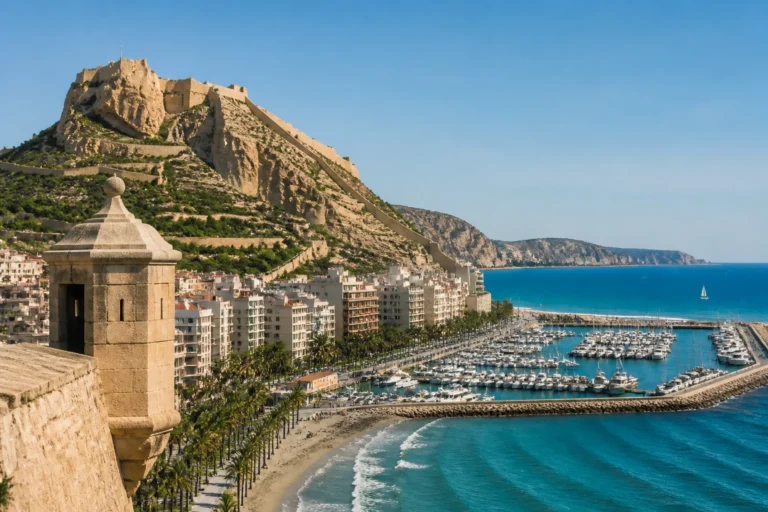 AI illustration
Alicante
Alicante is an easygoing Mediterranean city where a compact old centre, a long waterfront and a busy local food…
Explore destination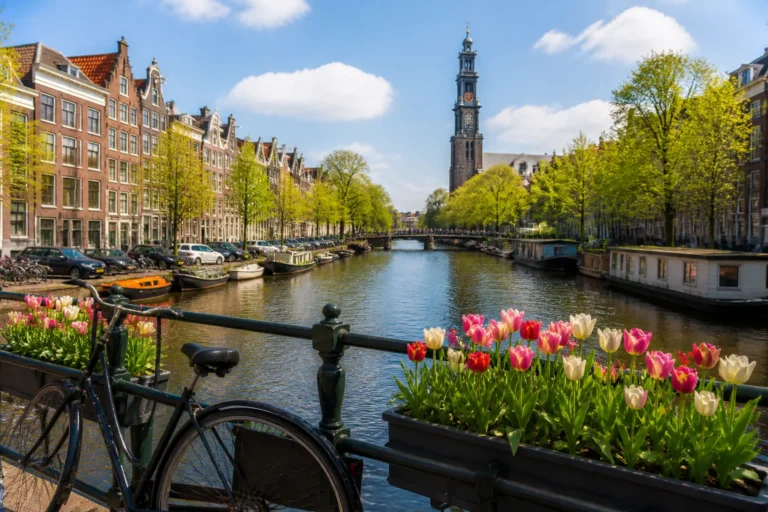 AI illustration
Amsterdam
Amsterdam combines a compact historic centre with a broad mix of museums, neighbourhood cafés and quieter residential streets. Its…
Explore destination