
Hungary · Europe
Budapest Travel Guide for Independent Travellers
Budapest is one of Europe’s most rewarding city breaks for travellers who like a mix of architecture, thermal baths, cafe culture and easy public transport. Split by the Danube into Buda and Pest, it works well for a short stop or a slower long weekend, with enough museums, markets and riverside walks to fill several days without feeling rushed.
Find flights to Budapest ↓ AI illustration
Find flights to Budapest
Compare flights · EURAbout Budapest
Budapest is Hungary’s capital and one of Central Europe’s most distinctive cities, shaped by a mix of Habsburg grandeur, Ottoman-era baths and a strong contemporary food and nightlife scene. The Danube gives the city its structure: historic Buda rises on the western hills, while livelier Pest spreads across the flat east bank.
For visitors, the city is especially appealing because many of its main areas are walkable, yet the metro, trams and buses make it easy to cover longer distances. Independent travellers will find plenty to do without needing organised tours, but guided visits can add useful context in places such as the Castle District, the Parliament area and former Jewish Quarter.
- Two distinct sides of the Danube
- Strong café, bath and ruin-bar culture
- Good public transport for self-guided trips
Things to Do in Budapest
Start with the Danube promenade and the bridge crossings to get a feel for the city layout. The Parliament building, St Stephen’s Basilica and the Chain Bridge area are classic first stops in Pest, while Buda Castle, Fisherman’s Bastion and the surrounding old streets offer wide views and a more historic atmosphere. If you enjoy walking, the riverfront and hilltop routes can be combined into a satisfying half-day circuit.
Budapest is also known for its thermal baths, which are part of local life as much as tourist visiting. Choosing one that suits your style matters: some baths are more atmospheric and historic, others are larger and more spa-like. The city’s ruin bars and the former Jewish Quarter give you a different evening mood, while markets, coffee houses and contemporary galleries add variety beyond the headline sights.
If you have extra time, consider a river cruise, a visit to Margaret Island for a slower green break, or a deeper look at the city’s food scene through market halls and neighbourhood eateries. Budapest rewards travellers who mix major landmarks with simple wandering between districts.
- Walk the Danube banks and bridge crossings
- Visit a thermal bath that fits your pace
- Explore the Castle District and former Jewish Quarter
- Leave time for markets, cafes and riverside downtime
Best Time to Visit Budapest
Budapest works in most seasons, but spring and early autumn are often the most comfortable for sightseeing, with pleasant walking weather and busy but manageable visitor numbers. These periods are especially good if you plan to spend time outdoors around the river, in the castle hills or on longer street-to-street explorations.
Summer brings the liveliest atmosphere, with longer evenings, more events and a busier nightlife scene, but it can also feel hot and crowded in the centre. Winter is colder and quieter, yet still appealing for museum visits, baths and cafe stops. If you prefer fewer crowds over outdoor dining, the colder months can suit you well.
Because Budapest has several indoor attractions that work year-round, your best season may simply depend on whether you value terraces and river walks, or calmer sightseeing and time in museums and baths.
- Spring and early autumn suit most visitors
- Summer is lively but can feel busy
- Winter is good for baths, museums and cafes
How Long to Stay in Budapest
A first-time visit to Budapest usually needs at least two full days, enough for the main sights on both sides of the river and one thermal bath. Three days is a more comfortable minimum if you want to enjoy the city at an easy pace, take in an evening area such as the ruin bars, and still leave time for wandering without a checklist.
Four or five days work well if you like museums, food markets, river cruises or slower neighbourhood exploring. That extra time also helps if you want to split the city into themes: Buda for views and history, Pest for grand architecture and nightlife, and one day for baths, shopping streets or a relaxed island or park break.
- 2 days for the core landmarks
- 3 days for a well-balanced first trip
- 4–5 days for slower sightseeing and neighbourhoods
Airports and Transport in Budapest
Budapest is served by Budapest Ferenc Liszt International Airport, commonly known as Budapest Airport. From there, reaching the centre is usually straightforward by airport bus, taxi or pre-arranged transfer, with public transport often the most practical option for travellers who want to avoid traffic-related uncertainty. Check official airport and operator information before you travel for current routes and ticketing details.
Within the city, Budapest’s metro, trams and buses make it easy to move between the main districts. Trams along the river are especially useful for scenic point-to-point travel, while the metro is generally the quickest way to cover longer distances. If you plan to do a lot of sightseeing, look into day or multi-day public transport options and always confirm what is currently available with the official transport provider.
Walking still matters here: many central sights sit close enough together to combine on foot, especially in Pest and parts of Buda. Taxis and ride-hailing may be useful late at night or for luggage-heavy journeys, but the city is manageable without relying on them.
- Fly into Budapest Ferenc Liszt International Airport
- Use metro and trams for easy city travel
- Walking works well in the central districts
Where to Stay in Budapest
For a first stay, many independent travellers choose central Pest because it offers the best mix of transport connections, restaurants and sightseeing access. Areas near the Danube, around the Basilica, or in the inner districts are convenient if you want to walk to major landmarks and come back easily after dinner.
The Castle District in Buda is a strong choice if you want calmer evenings, historic surroundings and views, though it can feel quieter once day visitors leave. The former Jewish Quarter is better if you want nightlife, casual dining and an energetic street scene. If you prefer a slower base, look just outside the busiest core for slightly better value and easier local living.
When choosing accommodation, think about tram and metro access first, then the type of evenings you want. Budapest is compact enough that the ‘best’ area depends less on distance and more on whether you want atmosphere, quiet or transport convenience.
- Central Pest for first-time convenience
- Castle District for historic, quieter stays
- Jewish Quarter for nightlife and dining
Practical Tips for Budapest
Budapest is easiest to enjoy when you balance sightseeing with breaks. Thermal baths, cafes and river walks all reward a slower rhythm, so avoid trying to pack every famous building into one day. Some of the city’s most memorable moments come from simple things like a tram ride along the river or an unplanned detour through side streets.
When visiting baths, castles or churches, check dress codes, opening arrangements and ticket rules with official sources before you go. This is especially important for travellers who want to avoid queues or arrive on a day when a venue is partially closed. If you are using public transport frequently, keep your ticket or pass handy and make sure you understand how validation works.
Budapest is popular year-round, so booking accommodation earlier helps if you are travelling during festivals, weekends or school holidays. For a smoother trip, carry a payment card and some cash, and keep your route flexible enough to adapt if a favourite restaurant, bath or museum has a wait.
- Mix major sights with slower time in baths and cafes
- Check current rules for tickets, dress codes and openings
- Plan ahead for busy weekends and festival periods
Frequently asked questions about Budapest
Is Budapest easy to explore without a car?
Yes. The city centre is walkable and the metro, trams and buses cover most areas you are likely to visit. Many travellers find that a combination of walking and public transport is enough for a short stay.
Which side of Budapest is better for first-time visitors?
Pest is usually more convenient for a first visit because it has many major sights, restaurants and transport links. Buda is ideal for views, castle history and a quieter atmosphere after daytime sightseeing.
Are the thermal baths worth including in a short trip?
For most visitors, yes. The baths are a very Budapest experience and work well even on a two- or three-day trip, especially if you want one relaxed half-day between sightseeing.
Can I visit Budapest as a weekend break?
Yes, a weekend is enough for a strong first impression if you focus on the main landmarks, one bath and a walk along the Danube. A longer stay gives you more time for neighbourhood exploring and slower meals.
Do I need to book attractions in advance in Budapest?
For some popular sights, especially at busy times, advance booking can help reduce waiting and improve planning. It is best to check the official websites of the attractions or transport operators for current ticketing advice.
Travel information can change. Check official transport operators and attraction websites before booking.
Editorial review: 19 Oct 2026
More destinations to explore
 AI illustration
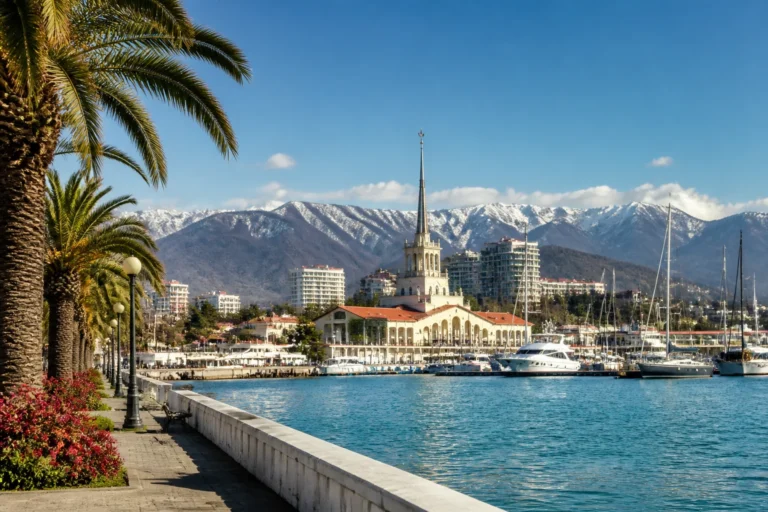
Adler/Sochi
Adler and Sochi stretch along Russia’s Black Sea coast, combining seaside promenades and parks with access to mountain landscapes.…
Explore destination AI illustration
Alghero
Alghero, on the north-west coast of Sardinia, combines a historic centre with easy access to beaches and the coastal…
Explore destination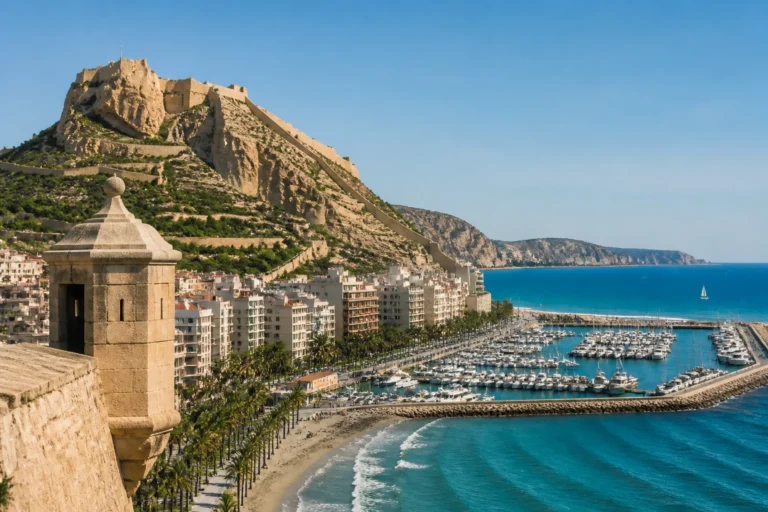 AI illustration
Alicante
Alicante is an easygoing Mediterranean city where a compact old centre, a long waterfront and a busy local food…
Explore destination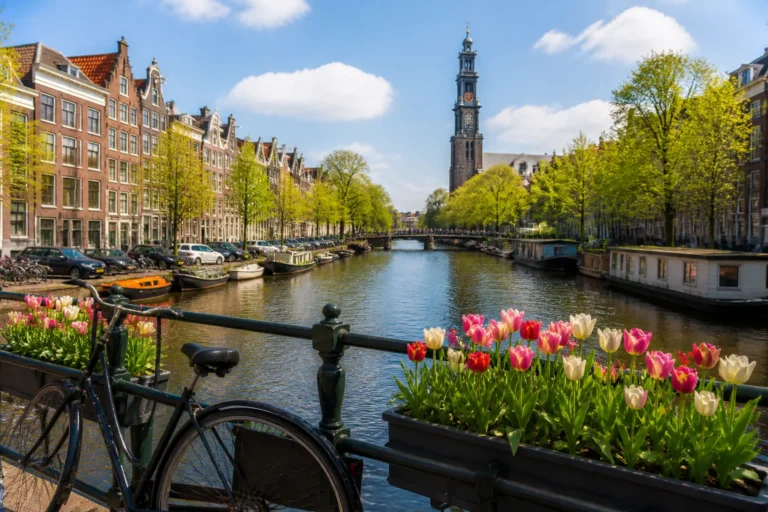 AI illustration
Amsterdam
Amsterdam combines a compact historic centre with a broad mix of museums, neighbourhood cafés and quieter residential streets. Its…
Explore destination