
Romania · Europe
Bucharest City Guide for Independent Travellers
Bucharest is Romania’s lively capital, mixing grand Belle Époque architecture, broad boulevards, Soviet-era landmarks and a growing food and café scene. It rewards travellers who like cities with layers: a historic centre you can walk, museums that go beyond the obvious, and neighborhoods that feel more local than polished. This guide focuses on practical ways to plan a short break or a longer stopover, with an eye on getting around efficiently and choosing the right base.
Find flights to Bucharest ↓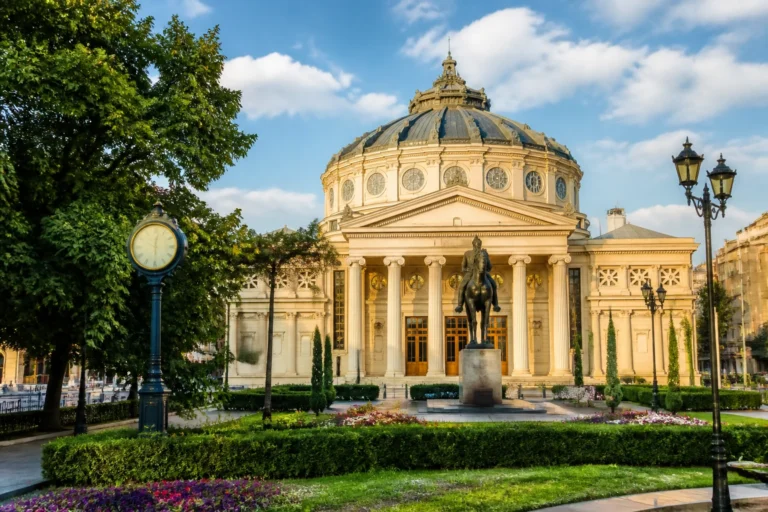 AI illustration
Find flights to Bucharest
Compare flights · EURAbout Bucharest
Bucharest sits at the meeting point of old and new. You can move from ornate 19th-century streets to wide communist-era avenues and then into café-lined quarters with a more relaxed pace. The city is not compact in the way many European capitals are, but several key areas are easy to combine in one stay, especially if you base yourself near the historic centre or a Metro station.
For independent travellers, Bucharest works well as a city break, a stop on a wider Romania itinerary, or a base for exploring nearby day-trip options. The centre has enough to fill a weekend, while the broader city offers parks, museums, markets and neighbourhoods that show a more everyday side of the capital.
- Historic centre with walkable streets and nightlife
- Strong mix of architecture from different eras
- Good base for a short city break or onward travel
Things to Do in Bucharest
Start with the Old Town, where pedestrian streets, restaurants and bars sit beside some of the city’s oldest surviving buildings. It is a useful first stop for orientation, but it is worth moving beyond it. The Palace of the Parliament is one of Bucharest’s most imposing landmarks, and the surrounding civic axis gives a sense of the scale of the city’s 20th-century planning.
For a more varied day, combine a museum or two with a park and a neighbourhood walk. Herăstrău Park and the wider northern lake area offer open space and a different rhythm from the centre, while places such as Cotroceni or Calea Victoriei reward slower wandering for architecture, cafés and quieter streets. If you enjoy local food markets or a more lived-in urban feel, build in time for that rather than focusing only on the headline sights.
Bucharest also suits travellers who like cultural stops that are not over-commercialised. Depending on your interests, you might prioritise art museums, history museums, Orthodox churches, or simply exploring the contrast between grand facades and everyday city life. The main value is in variety rather than a single must-see attraction.
- Walk the Old Town and Calea Victoriei
- See the Palace of the Parliament area
- Spend time in parks and quieter residential districts
- Leave room for cafés, museums and neighbourhood wandering
Best Time to Visit Bucharest
Bucharest is generally most comfortable in spring and early autumn, when temperatures are milder and city walks are easier. These shoulder seasons are a good fit if you want to spend time outdoors without the intensity of midsummer heat. Winter can be atmospheric, especially for museums, restaurants and café culture, though daylight is shorter and conditions can feel more subdued.
Summer brings longer evenings and a busier social scene, but it can also be hot, so plan around shaded walks, indoor visits and breaks in parks or terraces. If you are sensitive to heat or prefer to walk a lot, the shoulder months are usually the simplest choice. Whatever the season, it is sensible to check opening hours and public-transport updates close to your trip, as these can vary.
- Spring and early autumn suit walking
- Summer can be hot and lively
- Winter works well for indoor sightseeing
How Long to Stay in Bucharest
A weekend is enough to get a feel for Bucharest’s centre, especially if you focus on the Old Town, one major landmark, a museum or two and a relaxed meal or evening out. That works well for first-time visitors who want an efficient city break without overloading the itinerary.
If you have three to four days, the trip becomes more balanced. You can spend one day on central sights, another on neighbourhoods and parks, and a third on slower exploration such as museums, markets or an unhurried café crawl. Longer stays make sense if Bucharest is part of a wider Romania trip or if you want to explore at a less rushed pace.
In practical terms, the city tends to reward travellers who do not try to overpack the day. Distances can be larger than they look on a map, so a slightly longer stay often feels more comfortable than trying to cover everything in a single sprint.
- 2 days works for a first overview
- 3–4 days gives a better balance
- Longer stays suit slower exploration and day trips
Airports and Transport
Bucharest is mainly served by Henri Coandă International Airport, which is the city’s primary air gateway. From there, you can usually reach central Bucharest by a mix of rail, bus, taxi or ride-hailing services, depending on your preference and time of arrival. For the most current options, check the airport and operator information before you travel, especially if you are arriving late in the day.
Within the city, the Metro is often the easiest way to cover longer distances, while buses, trams and trolleybuses fill in the rest of the network. Walking works well in the centre, but the city is spread out enough that you should not rely on walking alone for every transfer. Taxis and ride-hailing can be useful for door-to-door trips, but it is wise to use official or app-based options and confirm the route before setting off.
If you plan to travel beyond Bucharest, trains and long-distance buses may be useful depending on your destination. Timetables and connections can change, so it is best to treat onward transport as something to confirm directly with the relevant operator rather than assuming a fixed pattern.
- Primary airport: Henri Coandă International
- Metro is useful for longer cross-city journeys
- Walking is good in the centre, but the city is spread out
Where to Stay in Bucharest
For a first visit, the Old Town and nearby central streets are the most convenient if you want to be close to restaurants, nightlife and many headline sights. This area is especially practical if you prefer to explore on foot and come back to your room without a complicated journey. It can be livelier at night, so it suits travellers who do not mind some buzz.
Calea Victoriei and the surrounding central districts are a good option if you want a slightly more polished feel, with easy access to museums, shopping streets and a broader range of transport links. For a quieter stay, consider neighbourhoods a little outside the busiest core, especially if being near a Metro station matters more to you than being in the middle of the action.
If you are in Bucharest for work, family visits or a longer stop, it can make sense to choose an area with strong transport rather than chasing the most touristy address. In a city this spread out, location and access often matter more than a hotel’s proximity to one specific landmark.
- Old Town for first-time convenience
- Calea Victoriei for central access and a calmer feel
- Choose near Metro if you want easier citywide movement
Practical Tips for Bucharest
Bucharest is easiest to enjoy when you give yourself time for transfers. Distances can be deceptive, and traffic can affect surface transport, so a realistic plan is better than trying to fit too many stops into one day. The Metro can save time, while walking between nearby sights is often the most pleasant way to experience the central districts.
As in any large city, it helps to keep an eye on personal belongings in crowded places and when moving through busy transport hubs. For taxis and ride-hailing, use recognised services and check the ride details before departure. When eating out or booking activities, it is sensible to confirm opening hours and reservation needs directly with the venue, especially outside the busiest seasons.
Language is rarely a barrier in central tourist areas, but a few Romanian greetings are always appreciated. Card payments are widely accepted in many places, though it is still useful to carry some cash for smaller purchases or incidental expenses. If you are building a Romania itinerary, Bucharest is an easy place to start or end because it has comparatively strong transport links.
- Allow extra time for traffic and transfers
- Use official or app-based taxis and ride-hailing
- Carry some cash as well as a card
- Check opening hours directly before visiting
Frequently asked questions about Bucharest
Is Bucharest good for a weekend trip?
Yes. A weekend is enough to see the main central areas, visit a major landmark such as the Palace of the Parliament, and still have time for cafés, parks and a slower neighbourhood walk.
Do I need a car in Bucharest?
Usually not for a city break. The Metro, buses, trams and walking cover most short-stay needs, and a car can be more hassle than help in central traffic.
What is the best area to stay in Bucharest for first-time visitors?
The Old Town or nearby central streets are the most convenient if you want to be close to major sights and evening options. If you prefer easier transport links and a calmer feel, look around Calea Victoriei or near a Metro station.
Can I get from Bucharest airport to the city centre easily?
Yes, there are usually several ways to make the transfer, including rail, bus, taxi and ride-hailing. The best choice depends on your arrival time, luggage and where you are staying, so check current operator information before you travel.
Is Bucharest walkable?
Parts of it are very walkable, especially the historic centre and nearby boulevards. For longer cross-city trips, though, you will usually want the Metro or another form of transport because the city is quite spread out.
What should I prioritise if I only have one day in Bucharest?
Focus on the Old Town, one major landmark, and a relaxed route along a central boulevard or park. That gives you a useful first impression without spending the whole day in transit.
Travel information can change. Check official transport operators and attraction websites before booking.
Editorial review: 19 Oct 2026
More destinations to explore
 AI illustration
Iasi
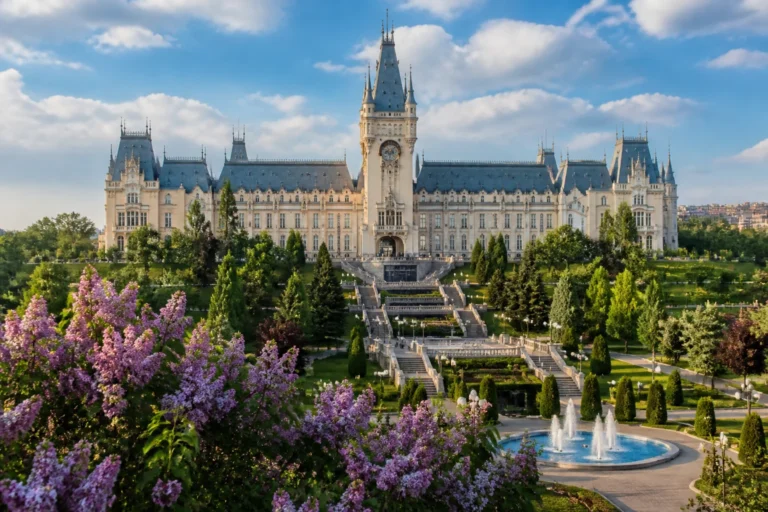
Iași is a historic university city in eastern Romania, known for its churches, cultural institutions and links to the…
Explore destination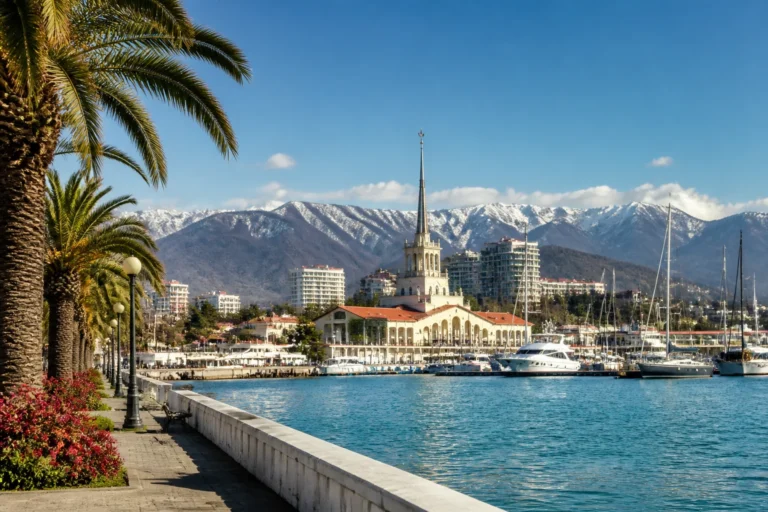 AI illustration
Adler/Sochi
Adler and Sochi stretch along Russia’s Black Sea coast, combining seaside promenades and parks with access to mountain landscapes.…
Explore destination AI illustration
Alghero
Alghero, on the north-west coast of Sardinia, combines a historic centre with easy access to beaches and the coastal…
Explore destination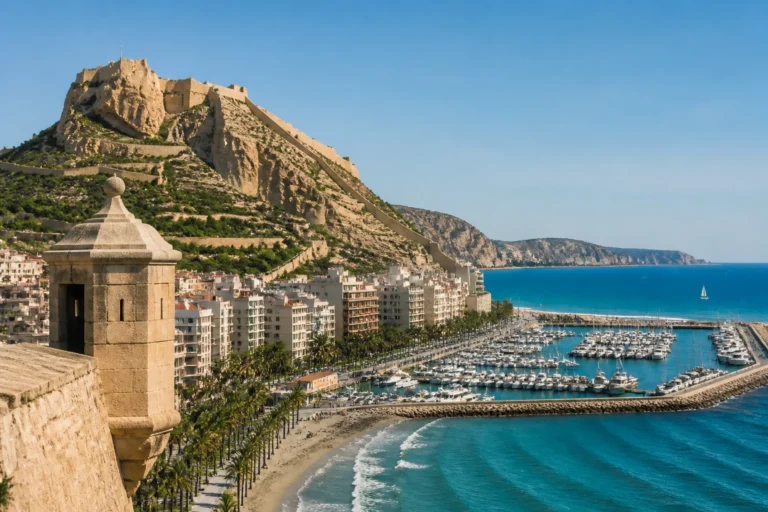 AI illustration
Alicante
Alicante is an easygoing Mediterranean city where a compact old centre, a long waterfront and a busy local food…
Explore destination